

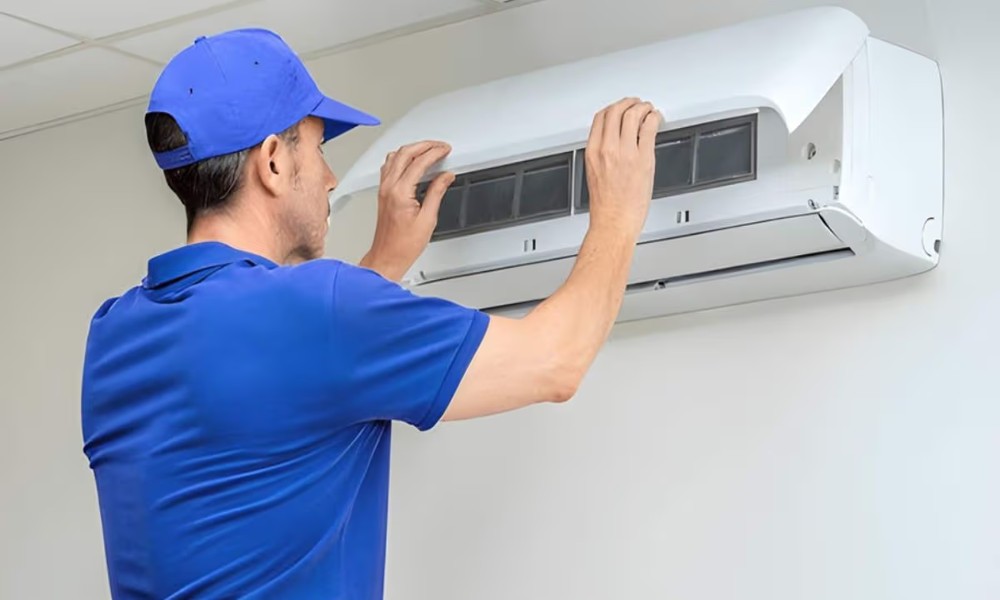
When the summer heat arrives in full force, the last thing any homeowner wants is an air conditioning unit that splutters, struggles, or stops working altogether. Yet for many people, their AC system receives little attention until something goes wrong, at which point the cost, disruption, and discomfort can be considerable. Signing up for a structured AC maintenance plan is one of the most practical steps you can take to avoid this entirely.
Rather than treating your air conditioner as something that just works until it doesn’t, a proactive maintenance approach keeps it performing reliably season after season. Here’s why that matters, and what a good maintenance routine actually involves.
The Hidden Cost of Neglect
Air conditioning units are engineered to last but that longevity depends heavily on how well they’re cared for. A system that goes years without professional attention will gradually lose efficiency. Filters become clogged, coils accumulate dirt, refrigerant levels drift, and small mechanical faults quietly compound into larger ones.
The financial impact of neglect tends to sneak up on people. Monthly energy bills creep upward as the system works harder to maintain the temperature. Then comes an unexpected repair call – often at the most inconvenient time followed by the possibility of a premature replacement that could have been delayed by years with proper care.
Emergency repair visits also carry a premium. Technicians called out during a summer heatwave, when demand is at its peak, typically charge significantly more than scheduled, off-peak maintenance appointments. Prevention, in this case, genuinely is cheaper than cure.
What a Professional Maintenance Visit Covers
A thorough AC maintenance appointment is far more than a quick look and a filter change. A qualified technician will typically inspect and clean the evaporator and condenser coils, check refrigerant charge levels, examine electrical connections and components, lubricate moving parts, test thermostat calibration, and clear the condensate drain to prevent blockages and moisture issues.
Each of these tasks plays a role in keeping the system running at its rated efficiency. Dirty coils, for instance, reduce a unit’s ability to transfer heat effectively meaning it runs longer to achieve the same cooling effect, burning more electricity in the process. Catching a minor refrigerant leak early avoids both the performance hit and the cost of a full recharge later.
The technician will also flag any components showing early signs of wear. Replacing a capacitor or a worn belt at a routine visit costs a fraction of what it would if the fault caused the compressor to seize during a heatwave.
Frequency Matters
For most residential systems, an annual service ideally in spring before the cooling season begins – is the baseline recommendation. In climates where the AC runs heavily for much of the year, or in homes with pets, high dust levels, or older equipment, twice-yearly servicing is a sensible approach.
The timing of a service matters too. Scheduling before the peak season means your system is checked, cleaned, and confirmed to be in good working order before it’s asked to run continuously in high temperatures. It also means technicians are easier to book and the cost is more predictable, rather than competing for emergency appointments alongside everyone else in your area.
Maintaining Manufacturer Warranties
One aspect of AC maintenance that homeowners sometimes overlook is its relationship to warranty coverage. Many manufacturers include a stipulation that the unit must receive regular professional servicing for the warranty to remain valid. If a major component fails and there’s no service record to show, a warranty claim could be declined leaving the homeowner responsible for a repair or replacement that should have been covered.
Keeping dated records of every maintenance visit provides a clear paper trail should a warranty issue ever arise. A reputable maintenance provider will supply documentation after each appointment, which is well worth keeping on file.
The Case for a Structured Plan
Ad hoc servicing booking a technician only when something seems off offers far less protection than a structured plan. With a dedicated AC maintenance plan, visits are scheduled in advance, reminders are automatic, and you have a consistent relationship with a trusted provider who knows your system’s history.
Many plans also include priority call-out status in the event of a breakdown, discounts on parts and labour, and multi-year coverage that locks in servicing costs. For homeowners who want peace of mind without the mental overhead of remembering to book a technician each spring, a maintenance plan handles it all.
There’s also the matter of indoor air quality. A clean, well-maintained system filters airborne particles more effectively, reduces humidity fluctuations, and avoids the musty smells associated with dirty coils and blocked condensate drains. This matters year-round, not just during summer.
A Small Investment, a Much Bigger Return
It’s easy to deprioritise AC maintenance when the system appears to be working fine. But “appears to be working” and “working efficiently and safely” are not always the same thing. The gradual decline of a neglected system is rarely dramatic until the moment it isn’t and by then, the options are expensive, and the timing is usually terrible.
Committing to regular, professional maintenance is one of those decisions that pays for itself quietly, through lower bills, fewer repairs, a longer equipment lifespan, and the simple reassurance of knowing your home will stay cool when it matters most. In the long run, it’s far less costly and far less stressful than the alternative.
