

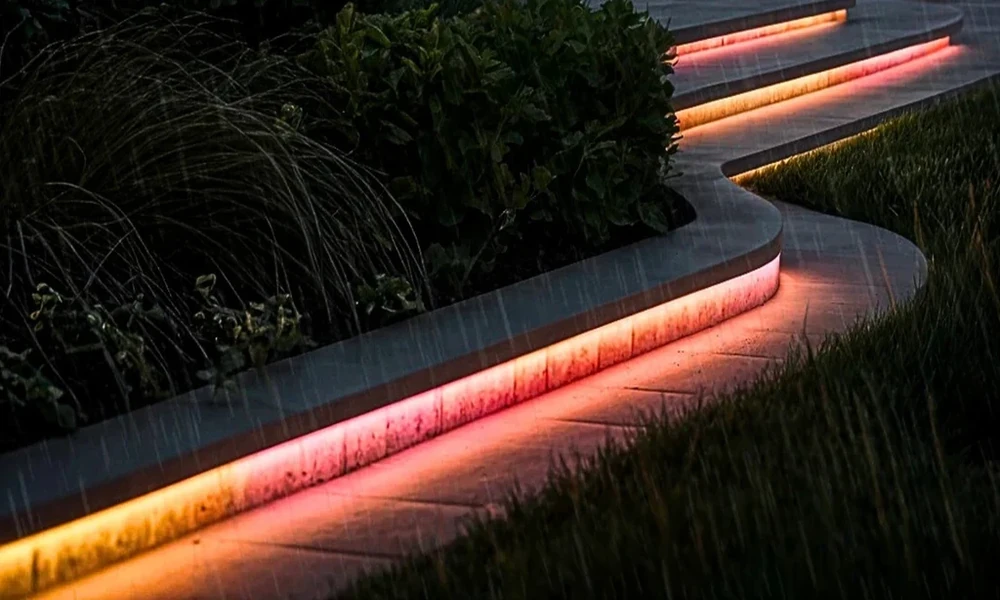
A single line of colorful light can completely change the atmosphere of a room, shop, or commercial environment. LED strip lighting has become an increasingly popular choice for modern illumination because it combines visual appeal, energy efficiency, and installation flexibility. From decorative home interiors to large commercial displays, these lighting solutions offer practical ways to improve spaces. Understanding their features, applications, and manufacturing quality helps buyers select suitable products for different lighting projects while achieving consistent performance and long-term value.
Understanding RGB LED Strip Lighting Technology
RGB LED strip lights use red, green, and blue light-emitting diodes to produce a wide range of colors. By combining different intensities of these three primary colors, the lighting system can create numerous shades and visual effects. This versatility makes RGB lighting suitable for decorative installations, entertainment spaces, retail displays, and architectural applications. Depending on the controller and product specifications, users can adjust brightness, change colors, and select different lighting modes to create an atmosphere that matches the purpose of a particular environment.
Important Features to Consider Before Purchasing
Selecting an appropriate LED strip requires attention to several technical specifications. Brightness, power consumption, LED density, operating voltage, color consistency, and heat management can influence overall performance. Buyers considering rgb led strip lights bulk purchases should also evaluate product consistency across different rolls and production batches. Reliable specifications help ensure that larger installations maintain uniform illumination. Checking adhesive quality, PCB thickness, cutting intervals, and protective coatings is equally important because these characteristics can affect installation convenience, durability, and the overall appearance of the finished lighting project.
Why Flexible LED Strips Are Suitable for Different Applications
Flexibility is one of the most useful characteristics of modern LED strip lighting. Unlike traditional rigid lighting fixtures, flexible strips can follow straight surfaces, curved edges, corners, and decorative structures. This makes them suitable for ceiling coves, furniture outlines, display cabinets, staircases, and customized architectural designs. A dependable flexible led strip lights factory focuses on material quality, circuit design, and manufacturing consistency to support different installation requirements. Properly designed flexible strips can provide convenient lighting solutions where conventional fixtures may be difficult to position.
Exploring the Importance of 5050 LED Strip Specifications
LED chip size and configuration play an important role in determining the characteristics of a lighting product. The 5050 LED package is commonly used in decorative and general-purpose strip lighting because its larger chip format can accommodate multiple LED elements within a single package. Product specifications also help buyers understand physical dimensions and intended applications. For example, the 5050-WW-300 light strip Size:5000x10mm; provides information about its warm-white lighting configuration, LED quantity, and overall strip dimensions, making product identification easier during selection and project planning.
Applications Across Residential and Commercial Environments
RGB LED strips are widely used in residential interiors because they offer creative lighting possibilities without requiring complicated fixture arrangements. They can highlight television units, kitchen cabinets, bedrooms, shelves, and ceiling borders. In commercial environments, these products can enhance product displays, restaurant interiors, reception areas, and promotional installations. Color-changing lighting is particularly useful in entertainment venues and event spaces where different visual themes are required. With suitable controllers and installation accessories, LED strips can become part of a coordinated lighting design that balances functionality with decorative appeal.
Manufacturing Quality and Product Reliability
Manufacturing standards have a direct influence on the reliability of LED strip lighting. Consistent soldering, quality LED chips, suitable copper PCB materials, and effective insulation contribute to stable operation. A professional flexible led strip lights factory also needs to consider electrical safety, thermal performance, and production testing. These factors become particularly important when products are installed in demanding environments or used for extended operating periods. Buyers should examine technical documentation and available quality certifications rather than making purchasing decisions based solely on appearance or initial product pricing.
Choosing the Right Supplier for Bulk Lighting Requirements
Large lighting projects often require products with consistent color output, dependable electrical performance, and suitable customization options. Buyers should compare suppliers based on manufacturing capabilities, product specifications, quality control procedures, and communication standards. When evaluating rgb led strip lights bulk requirements, it is useful to confirm minimum order quantities, packaging details, available color temperatures, and delivery arrangements before placing an order. Clear product information can reduce misunderstandings and help ensure that the selected lighting solution meets the technical and visual requirements of the intended application.
Energy Efficiency and Long-Term Lighting Performance
LED technology is widely recognized for its energy-efficient operation compared with many conventional lighting alternatives. However, actual energy consumption depends on factors such as LED density, wattage, operating voltage, brightness settings, and usage duration. Proper installation also contributes to long-term performance. Using compatible power supplies, avoiding excessive bending, and providing appropriate ventilation can help maintain stable operation. Regular inspection of electrical connections and installation surfaces further supports reliability. These practical considerations allow residential and commercial users to benefit from LED lighting while managing maintenance and operating requirements.
Conclusion
LED strip lighting continues to influence modern interior design and commercial illumination through its flexibility, color options, and practical applications. Selecting suitable products requires careful consideration of technical specifications, manufacturing quality, energy consumption, and installation requirements. Bulk buyers also benefit from comparing suppliers and confirming product details before making purchasing decisions. For additional information about LED lighting products and manufacturing solutions, dekingled.com provides a reference point for exploring available options. A well-selected LED strip can support attractive lighting designs while delivering dependable performance across different residential and commercial environments.
