

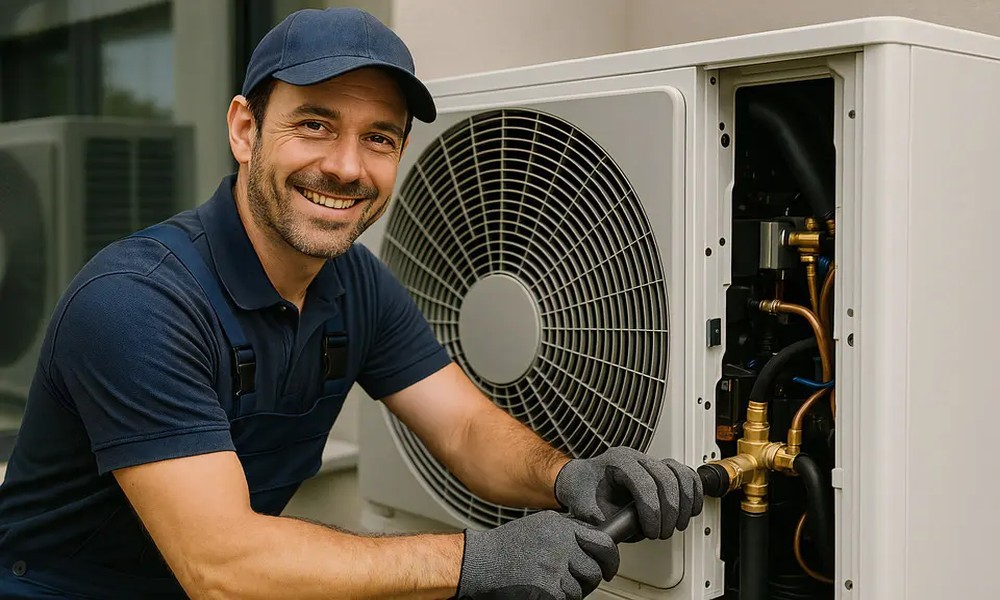
There’s nothing quite like flipping on your air conditioner during a sweltering summer afternoon, only to feel warm, stale air blowing back at you. It’s frustrating, uncomfortable, and honestly a little alarming. The truth is, most cooling systems don’t fail overnight. They send signals for weeks or even months before completely giving out – and most homeowners simply miss them.
Knowing what to look for can save you from an expensive emergency call during a heat wave. Whether your system is ten years old or pushing twenty, understanding these warning signs early puts you in the driver’s seat. If you’ve been noticing anything unusual with your unit lately, it may be time to seriously explore AC replacement in Chambersburg, PA before the summer heat catches you off guard.
Your Energy Bills Have Been Quietly Climbing
One of the earliest and most overlooked signs of a deteriorating cooling system is a steady rise in your monthly energy bills. If your usage habits haven’t changed but your electricity costs keep creeping upward, your AC is working much harder than it should be to maintain the same level of comfort.
Aging components lose efficiency over time. Compressors wear down, refrigerant levels drop, and coils accumulate grime. When any of these issues develop, your system runs longer cycles and draws more power to compensate. Many homeowners begin researching air conditioning repair options after noticing their utility costs steadily increasing without any major changes in household usage. A difference of 15 to 20 percent on your energy bill might not seem dramatic, but over the course of a full cooling season, it adds up significantly. Compare your bills from the same months across the past two or three years. If there’s a noticeable upward trend without a clear explanation, your cooling system deserves a close inspection.
Warm Air or Weak Airflow From the Vents
This one tends to get people’s attention fast. When you hold your hand up to a vent and feel barely a whisper of air, or the air that does come through is lukewarm at best, something has gone seriously wrong. Weak airflow typically points to a failing compressor or obstructions in your ductwork. Warm air despite the thermostat being set low, usually signals a refrigerant leak or a compressor that’s on its last legs.
Before you call it a simple fix, consider your system’s age. If it’s over twelve to fifteen years old and you’re experiencing these symptoms, repairing individual components often costs more in the long run than a full replacement. A qualified technician can help you weigh the options, but don’t ignore what your vents are telling you.
Strange Sounds That Weren’t There Before
A healthy air conditioner should run quietly enough that you forget it’s even on. So when you start hearing grinding, banging, rattling, or high-pitched screeching, pay close attention. These sounds are your system’s way of waving a red flag.
Grinding often indicates worn-out motor bearings. Banging suggests a loose or broken component inside the unit. Rattling can mean debris has found its way in, or that internal parts have come loose after years of vibration. Squealing and screeching typically point to belt or motor issues. Any of these sounds warrants an immediate inspection. Continuing to run a unit with mechanical problems accelerates damage and raises the cost of repairs or replacement down the line.
Frequent Cycling and Short Run Times
Your cooling system should follow a predictable rhythm. It kicks on, runs for a set period, reaches your desired temperature, and then shuts off until needed again. If you notice the unit is turning on and off far more frequently than normal – a problem called short cycling – it means the system is struggling to complete a full cooling cycle.
Short cycling puts tremendous strain on the compressor, which is both the heart and the most expensive component of your AC unit. It may stem from an oversized system, refrigerant issues, or simply a compressor that’s beginning to fail. Either way, frequent cycling is hard on your equipment and hard on your wallet. The more starts and stops a compressor makes, the faster it wears out.
Excess Moisture, Leaks, and Unusual Odors
Some condensation around your unit is completely normal. Refrigerant leaks, however, are a different story entirely. If you spot pooling liquid near the indoor unit or notice ice forming on the refrigerant lines, there’s a problem that needs professional attention right away. Refrigerant is hazardous to health and to the environment, and running a system with a leak will cause the compressor to fail prematurely.
Musty smells coming from the vents usually indicate mold or mildew growth inside the unit or ductwork, which occurs when drainage is compromised. A burning smell, on the other hand, can indicate electrical issues or overheating components. Neither should be brushed off. Unpleasant odors combined with performance problems are a particularly strong indicator that your system’s time may be running out.
Your System Is Older Than 10 to 15 Years
Age is not just a number when it comes to your cooling system. The average lifespan of a central air conditioner is roughly 10 to 15 years with proper maintenance. If your unit is in that range or older, even relatively minor issues can signal the beginning of a full decline. The R-22 refrigerant phase-out has also made older systems more expensive to maintain, as replacement refrigerant has become increasingly scarce and costly.
Newer systems are significantly more energy-efficient, with SEER ratings often double those of units installed a decade ago. Upgrading to a modern high-efficiency unit can reduce cooling costs by 20 to 40 percent annually. At some point, continued investment in an old system simply doesn’t make financial sense. This is precisely why homeowners weighing ongoing repair costs against a fresh installation should seriously consider AC replacement in Chambersburg, PA to make a well-informed decision rather than an emergency one.
Uneven Cooling Across Different Rooms
Walk through your home on a hot day. Does the living room feel comfortable while the bedroom feels like a sauna? Uneven cooling is a telltale sign that something is off with your system’s ability to distribute conditioned air properly. It could point to ductwork problems, blocked vents, or – more seriously – a failing blower motor or a compressor that no longer has the capacity to cool the whole home.
While sealing leaky ducts or repositioning furniture away from vents can sometimes help, persistent hot and cold spots in a home with an aging system often mean the unit has simply lost the ability to keep up with demand. Don’t keep adjusting the thermostat and hoping for the best. Get a professional assessment before summer arrives in full force.
Don’t Wait for a Total Breakdown
The worst time to deal with a failing air conditioner is in the middle of a heat wave, with a two-week wait list for technicians and emergency service fees that make your eyes water. The warning signs discussed here are your system’s way of communicating long before things get desperate.
If your cooling system is showing two or more of these symptoms, it’s time to have a professional evaluate it. Ask them directly – is it worth repairing, or is replacement the smarter long-term investment? An aging system that’s already showing stress will likely continue to decline. Proactive homeowners who recognize the signs early can make that decision on their schedule and on their terms, not the system’s.
Your home should be a place of comfort, not a guessing game about whether the AC will make it through the week. Pay attention to the signals, act before the situation becomes urgent, and give your home the reliable cooling it deserves.
