

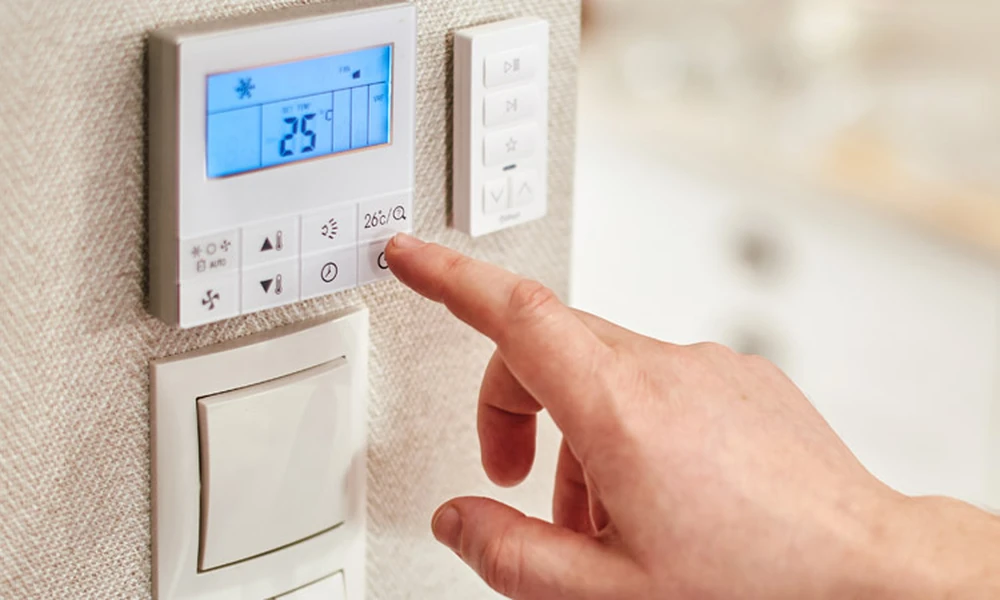
As autumn chill sets in, a reliable heating system becomes the heart of a comfortable home. Sitting back in warmth while the weather turns cold outside is one of the simple pleasures of the season. However, heating systems are complex mechanical networks that undergo substantial stress during peak operational months, making minor faults almost inevitable over time.
Recognising early warning signs before a complete system failure occurs can save homeowners from unexpected breakdowns during freezing weather. Promptly arranging heating repair in Wallace allows qualified technicians to resolve minor mechanical issues before they escalate into severe damage. Paying attention to how your system performs day to day is the best way to ensure consistent warmth throughout the colder months.
Strange Noises and Unusual Smells
A well-maintained heating system should operate with a relatively low, background hum. If you suddenly start hearing loud banging, screeching, or rattling from the unit, it may indicate that internal components have come loose or worn down. Ignoring these auditory cues often leads to further internal damage as loose parts impact other critical mechanisms.
Unusual odours are another strong indicator that your system requires immediate attention. While a slight dusty smell is common when turning the system on for the first time in autumn, persistent burning, metallic, or musty odours are clear red flags. Seeking professional heating repair in Wallace as soon as you notice these warning signs helps protect your home from potential electrical hazards or compromised indoor air quality.
Inconsistent Heating and Soaring Energy Bills
Uneven temperature distribution across different rooms is a classic sign that your heating unit is struggling to perform efficiently. You might notice that certain living areas remain uncomfortably chilly while others overheat, suggesting airflow blockages or failing zone controls.
- Cold spots: Drafts or lingering cold zones indicate poor air circulation or ductwork leaks.
- Frequent cycling: The unit rapidly turning on and off signals thermostat faults or overheating components.
- Unresponsive thermostat: Difficulty maintaining the set temperature points to electrical or sensor issues.
- Rising running costs: Unexplained spikes in energy bills suggest the system is working twice as hard to produce standard heat output.
When a heating system loses operational efficiency, it consumes far more energy to produce the same level of comfort. Watching your monthly utility statements closely can help you spot efficiency drops early, giving you time to address underlying mechanical issues before costs spiral out of control.
Short Cycling and Continuous Running
Short cycling occurs when a heating unit turns on, runs for a brief moment, and shuts off prematurely without reaching the desired thermostat temperature. This rapid starting and stopping puts immense strain on electrical components and motor windings. Over time, short cycling accelerates general wear and tear, leading to premature system failure if left unaddressed by a technician.
Conversely, a system that runs continuously without ever reaching the set temperature is equally problematic. This issue often stems from clogged air filters, failing blower motors, or severe duct leaks that allow heated air to escape before reaching your living space. Both conditions require a structured inspection to identify the root cause and restore proper operational cycles.
Safety Concerns and Poor Air Quality
Beyond comfort, a malfunctioning heating unit can pose genuine safety risks to your household. Systems that rely on combustion must be monitored closely for cracked heat exchangers, which can allow dangerous gases like carbon monoxide to leak into indoor spaces. If your carbon monoxide detector alerts you or you notice soot accumulating near the unit, turn off the system immediately and seek professional assistance.
Air quality is another key factor influenced by the health of your heating apparatus. A unit struggling with dirt accumulation or failing filtration will recirculate dust, pollen, and airborne allergens throughout your home. Scheduling timely maintenance keeps the air circulating through your living spaces fresh, clean, and safe for your entire family.
Conclusion
Recognising the subtle signs of a struggling heating system is key to maintaining a safe and cozy home environment all winter long. By staying vigilant against unusual noises, inconsistent room temperatures, and unexpected spikes in energy bills, you can address minor repairs before they turn into costly emergencies. Taking action at the first sign of trouble ensures your equipment operates reliably, efficiently, and safely when you need it most.
