

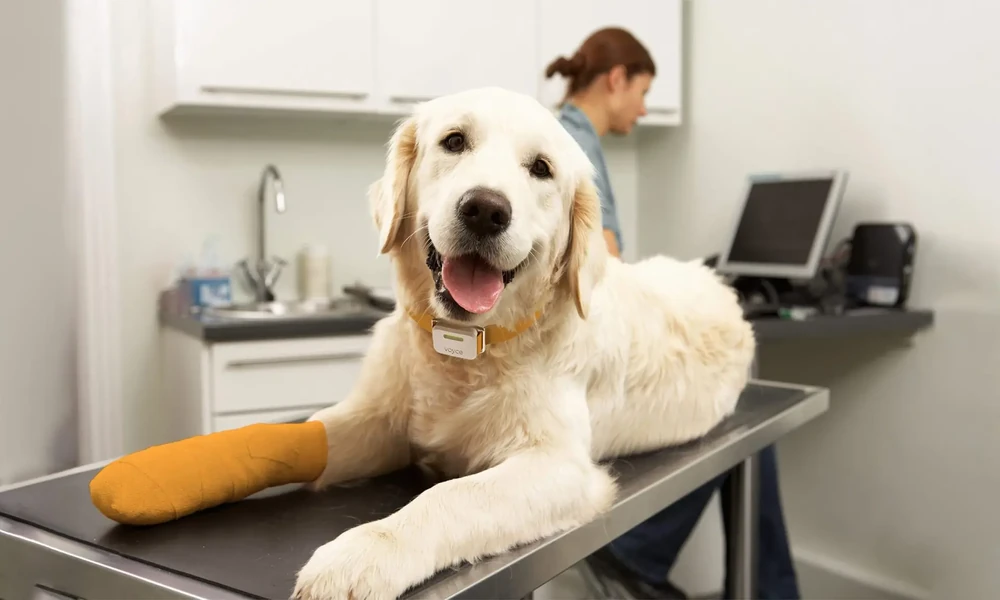
When your pet is having a procedure, waiting feels longer than it should. You hand over the leash or carrier, answer a few last questions, and then your mind starts filling in the blanks. Is my pet safe under anesthesia? Will someone notice if something changes too fast? That worry is normal, and it helps to know that a good veterinary clinic, such as a veterinarian in Westerville, does not simply put a pet under and hope for the best. The team watches the body closely from start to finish.
That is where monitoring matters. During surgery, dental work, and other procedures, veterinary professionals track key body functions that show how your pet is handling anesthesia and the procedure itself. These checks help the team spot problems early, adjust medications, support breathing, and keep blood flowing where it needs to go. In plain terms, the six readings most clinics focus on are heart rate, breathing rate, blood pressure, oxygen levels, body temperature, and carbon dioxide levels.
Veterinary procedure monitoring protects your pet minute by minute
Anesthesia changes how the body works. A pet may breathe more slowly, blood pressure may drop, or body temperature may fall without any obvious outward sign. You cannot see oxygen in the blood by looking at your dog or cat, and you cannot judge carbon dioxide levels just by watching the chest rise. That is why veterinary procedure monitoring relies on trained staff and equipment working together.
A rising heart rate can signal pain, stress, blood loss, or a reaction to medication. A falling heart rate may point to a drug effect or a deeper issue that needs attention. Breathing can become shallow. Blood pressure can drift lower than is safe for the kidneys, brain, and other organs. Body temperature often drops under anesthesia, especially in small pets, seniors, and patients having longer procedures.
Clinics that follow strong anesthesia standards use several tools at once because no single number tells the whole story. The team combines monitors with hands on checks, listening to the heart and lungs, feeling pulses, and watching trends instead of chasing one isolated reading. VCA describes this well in its overview of peri operative monitoring, where multiple systems are tracked throughout a procedure.
1. Heart rate. This tells the team how fast the heart is beating and whether the rhythm looks steady. Changes can suggest pain, low oxygen, medication effects, or circulation problems.
2. Respiratory rate. This measures how often your pet breathes. Slow, shallow, or irregular breathing can become serious quickly under anesthesia if it is not corrected.
3. Blood pressure. Blood pressure shows whether organs are getting enough blood flow. If pressure drops too low, the veterinary team may adjust fluids, warming support, or anesthetic depth.
4. Oxygen saturation. Often measured with pulse oximetry, this estimates how much oxygen the blood is carrying. Low oxygen levels need prompt attention because tissues depend on steady oxygen delivery.
5. Body temperature. Pets lose heat fast under anesthesia. Low temperature can slow recovery and affect how drugs move through the body.
6. Carbon dioxide levels. End tidal carbon dioxide monitoring helps the team see how well your pet is ventilating. It can reveal airway issues, breathing depression, or equipment problems earlier than visual checks alone.
This is the core of pet anesthesia monitoring. It is not just about recording numbers on a screen. It is about seeing trouble early enough to respond before it becomes a crisis. VCA’s anesthesia guide also outlines the equipment and checks commonly used during procedures in this anesthesia monitoring reference.
Simple observation and monitored veterinary care are not the same thing
You may hear that a procedure is routine, but routine does not mean risk free. Even a healthy pet having a short dental cleaning can have a blood pressure drop or a temperature swing. Age, breed, weight, heart disease, airway shape, and the length of the procedure all change the picture.
| Monitoring Element | Basic Observation Only | Monitored Veterinary Care |
|---|---|---|
| Heart function | Staff watches for visible distress | Heart rate and rhythm tracked continuously |
| Breathing | Chest movement observed | Respiratory rate and carbon dioxide measured |
| Oxygen status | Blue gums may be noticed late | Oxygen saturation changes seen early |
| Circulation | Weak pulse may be missed until advanced | Blood pressure trends guide fast adjustments |
| Temperature | Heat loss may go unnoticed | Temperature tracked and warming support added |
| Response time | Problems may be caught after visible decline | Changes often caught before outward signs appear |
The difference matters most when something shifts quietly. A monitor may show falling oxygen while your pet still looks stable from across the room. A blood pressure cuff may catch a slow decline before organs are stressed. That is why asking about monitoring is not overreacting. It is a practical question about safety.
Three steps you can take before your pet’s procedure
Ask what is monitored during anesthesia. You do not need technical language. Ask which vital signs are tracked, who is assigned to watch them, and whether someone is dedicated to anesthesia during the procedure.
Share your pet’s full health history. Mention coughing, fainting, snoring, past anesthesia issues, current medications, and supplements. A small detail can change the anesthesia plan and the level of support your pet needs.
Request a clear recovery plan. Monitoring should continue after the procedure, especially as your pet wakes up. Ask how pain is managed, how temperature is supported, and what signs at home should prompt a call back to the clinic.
Strong monitoring is one of the clearest signs of a careful veterinary clinic
If you are feeling tense before your pet’s procedure, that reaction makes sense. You are trusting other people with a family member who cannot explain what they feel. Knowing the six signs that matter most can make the process less foggy and help you ask better questions. Good monitoring does not remove every risk, but it gives the veterinary team a far better chance to catch changes early and keep your pet stable throughout the procedure and recovery.
When you are choosing a veterinary clinic or preparing for an upcoming procedure, ask how the team handles anesthesia monitoring and recovery support. Clear answers are a good sign that your pet is in careful hands.
