

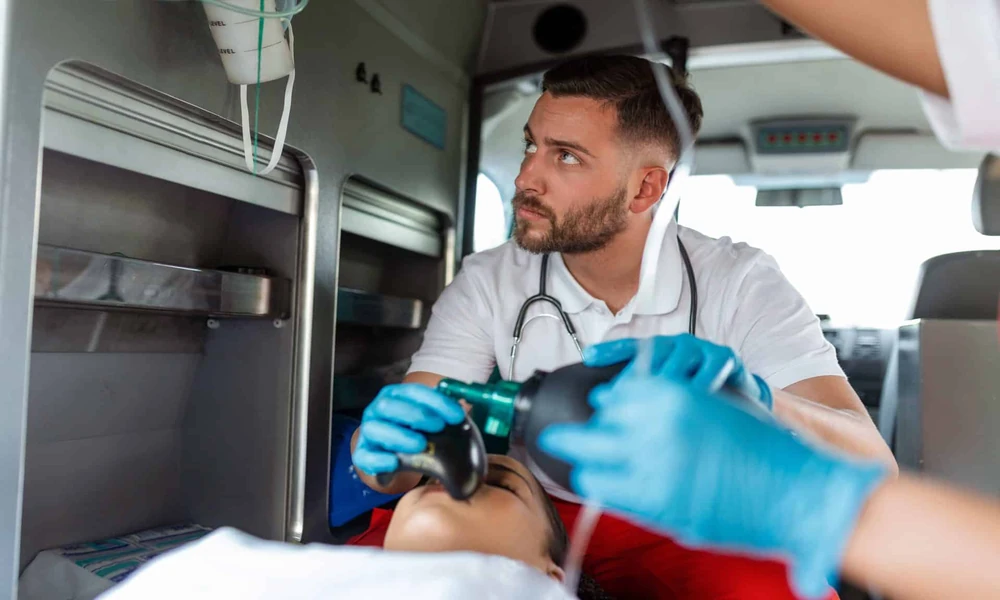
When someone calls 911, the visible response is the ambulance, the lights, the crew, and the movement toward a hospital. What most people never see is the clinical structure behind that response. Reliable ambulance care depends on more than fast driving and well-stocked equipment. It depends on medical direction that gives crews clear authority, practical protocols, and ongoing review when real cases become complicated.
That hidden layer matters in a city like Seattle, where a single shift can involve apartment tower calls, waterfront injuries, nursing facility transfers, freeway crashes, event crowds, and cold-weather exposure. The patient may be a visitor at Pike Place Market, a construction worker near South Lake Union, or an older resident in a historic building with narrow stairs and limited elevator access. In each case, the ambulance crew needs more than urgency. They need a system that helps them make sound medical decisions under pressure.
Medical Direction Gives Field Crews a Safer Framework
Paramedics and EMTs work in uncontrolled environments. They assess patients in kitchens, alleys, ferry terminals, office lobbies, and crowded streets. They often make decisions before a physician ever sees the patient. Medical direction connects that field judgment to physician-led standards of care.
Strong direction helps answer practical questions before they become delays. Which patients need advanced airway support? When should chest pain trigger a specific medication protocol? How should crews handle a refusal of transport when the patient may not fully understand the risk? What changes when a child is involved, or when a patient has a complex medication history?
Without clear direction, crews can be left relying too heavily on habit or local custom. That creates variation from one shift, station, or provider group to another. For patients, variation can mean delayed treatment, unnecessary transport, missed warning signs, or inconsistent documentation. For agencies, it can mean higher liability, weaker quality control, and harder conversations after a bad outcome.
This is why many communities, private ambulance operators, event medical teams, and healthcare organizations invest in formal emergency medical services oversight that keeps field care aligned with current clinical standards.
The Best Systems Learn From Every Call
Medical direction is not just a binder of protocols sitting on a shelf. It works best when it includes case review, training feedback, and honest measurement. A cardiac arrest call, for example, should not end with the ambulance report. The system should be able to review response time, compression quality, medication timing, airway decisions, hospital handoff, and outcome data where available.
That review is not about blaming crews. It is about finding patterns. If medication errors rise during high-volume weekends, the fix may involve packaging, labeling, or refresher training. If stroke alerts are being missed in older adults, crews may need better screening prompts. If handoffs at busy emergency departments are taking too long, leadership may need to work with hospital partners on clearer transfer procedures.
Seasonal patterns matter too. In winter, slick streets and respiratory illness can increase call complexity. In summer, festivals, waterfront traffic, dehydration, alcohol-related incidents, and outdoor recreation injuries can strain response systems. A medical director who studies those patterns can help agencies prepare before the surge arrives.
Local Conditions Make Oversight More Than a Formality
Seattle’s layout creates practical challenges for emergency response. Dense neighborhoods, steep hills, older buildings, traffic bottlenecks, and waterfront access points can all affect patient care. A crew may reach the address quickly but spend extra minutes finding the patient, moving equipment, or carrying someone safely down stairs.
Medical direction helps agencies plan for those realities. Protocols can account for prolonged extrication, limited scene access, mass gathering events, behavioral health calls, and coordination with fire, police, hospitals, and specialty care centers. The goal is not to make every call predictable. The goal is to make the response disciplined when the call is not predictable.
Business owners and property managers have a stake in this too. Hotels, senior living communities, construction sites, entertainment venues, and large office buildings all depend on dependable emergency response. A poorly managed medical incident can affect customers, employees, insurance exposure, and public trust. Clear emergency planning, accurate site access information, and coordination with qualified medical response partners can reduce confusion when minutes matter.
Reliable Response Starts Before the Siren
A good ambulance response begins long before the driver turns on the lights. It begins with credentialing, protocol development, medication controls, documentation standards, continuing education, and review of real calls. It depends on physicians and EMS leaders who understand both medicine and field operations.
For patients, that structure can mean faster recognition of a stroke, safer pain management, better cardiac care, or a cleaner handoff to the emergency department. For crews, it means confidence that their decisions are backed by a thoughtful system. For communities, it means the ambulance is not just arriving quickly; it is bringing organized medical care to the curb, the lobby, the jobsite, or the living room.
The public may never see that work directly. But when an ambulance response feels calm, coordinated, and clinically sharp, medical direction is often the reason.
