

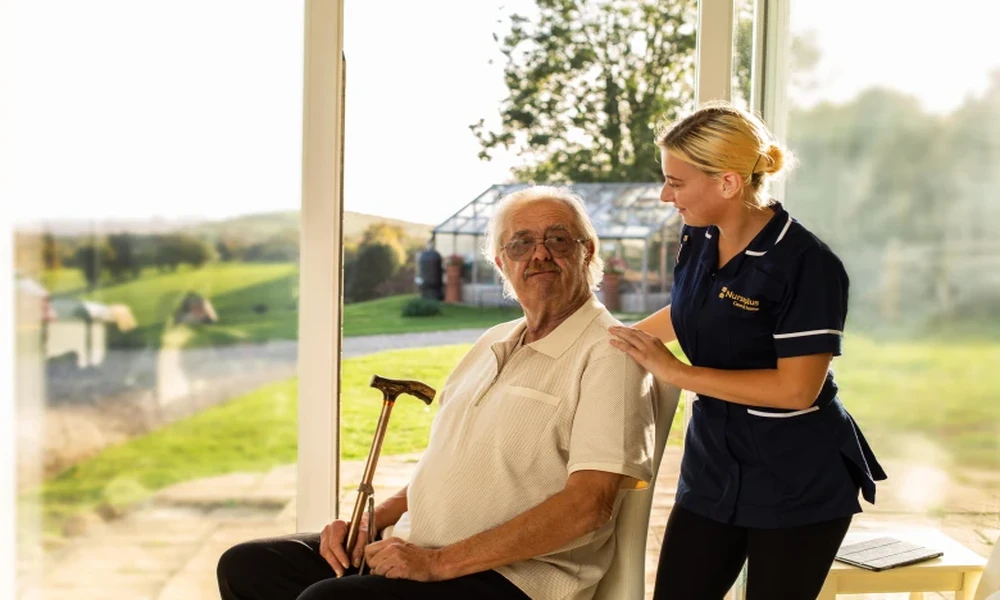
Caring for an aging parent or recovering loved one often starts with small favors. A daughter checks the fridge after work. A neighbor drives someone to a doctor’s appointment. A spouse tracks pills, laundry, meals, and safety concerns while keeping the household running.
Over time, those small tasks can become a second full-time job.
For families along the Grand Strand, the pressure can feel sharper during busy seasons. Summer traffic slows errands. Hurricane season raises safety questions. Retirees may live far from adult children. Many local families also work hospitality, healthcare, service, or small business schedules that do not bend easily around caregiving needs.
Practical in-home support can make a measurable difference. Home care does not have to mean giving up independence or making a dramatic life change. Often, it gives families a steadier way to handle daily needs before stress turns into crisis.
The Hidden Load Families Carry
Family caregivers often describe the work in tasks: meals, rides, medication reminders, bathing help, light housekeeping, and companionship. But the harder part is usually the mental load.
Someone is always wondering:
- Did Mom eat today?
- Is Dad safe getting in and out of the shower?
- Who can drive to the follow-up appointment?
- What happens if a storm warning comes while I am at work?
- Is the house becoming too much to manage?
That constant monitoring creates fatigue, even when everyone involved loves each other deeply. It can strain marriages, careers, sibling relationships, and personal health.
For business owners and working professionals, the pressure is not only emotional. Missed work hours, emergency trips across town, and last-minute schedule changes can affect income and operations. A fall, skipped medication, or preventable hospitalization can create costs far beyond one difficult afternoon.
Home care helps by turning unpredictable obligations into a more reliable support plan.
Where In-Home Support Reduces Stress First
Every family’s situation is different, but the biggest relief often comes from stabilizing a few high-friction areas.
Safer Mornings and Evenings
Mornings and evenings are often the most stressful parts of the day for older adults who need help. Getting dressed, bathing, preparing breakfast, taking medications, and settling in at night can all carry safety risks.
A caregiver can support these routines without taking over. That might mean helping someone move safely from bedroom to bathroom, preparing a simple breakfast, clearing trip hazards, or offering reminders at the right time.
The result is not just comfort. It reduces the chance of a panicked phone call after a fall, missed medication, or missed appointment.
Transportation Without Constant Rescheduling
In coastal communities, transportation can become a major stress point. Medical offices, pharmacies, grocery stores, churches, and social visits may be spread across the Myrtle Beach area. During tourist season, a simple drive can take longer than expected.
When families rely only on relatives, every appointment becomes a scheduling negotiation. Professional caregivers can help with routine errands and transportation support, making it easier for older adults to keep appointments and remain active without putting constant pressure on one family member.
Companionship That Protects Well-Being
Loneliness can build quietly, especially for seniors who no longer drive or live alone after losing a spouse. Regular companionship is more than a nice extra. It can encourage better eating, movement, conversation, and attention to daily routines.
A caregiver may share a meal, help with a walk, play cards, read mail aloud, or provide a familiar presence during the week. For adult children, knowing someone is checking in can ease the strain of being unable to visit as often as they would like.
Why Local Context Matters in Coastal Carolina
Care needs in Myrtle Beach and the surrounding coastal communities are shaped by the area itself. Retirement living, seasonal visitors, storm preparation, humidity, and tourism traffic all affect daily life.
Families may need extra support when:
- Summer crowds make errands harder
- A relative returns home after surgery
- Hurricane season requires preparation
- A spouse caregiver becomes exhausted
- Adult children live in another city or state
- A loved one starts showing signs of forgetfulness
- Mobility changes make stairs, showers, or outdoor steps riskier
Choosing local support can make coordination easier. A provider familiar with the area understands traffic patterns, seasonal pressures, and the realities of helping someone age at home near the coast. Families researching home care Myrtle Beach SC are often looking for daily help, local knowledge, and peace of mind.
Building a Care Plan Before a Crisis
Many families wait until something serious happens before discussing care. A fall, hospitalization, wandering incident, or caregiver burnout can force rushed decisions. At that point, emotions are high and options may feel limited.
A better approach is to start with a simple needs review.
Ask these questions:
- Which tasks are creating the most stress each week?
- Is anyone skipping meals, medications, or appointments?
- Are falls or near-falls becoming more common?
- Is one family member carrying most of the responsibility?
- Would a few hours of help prevent larger problems?
- Are seasonal changes likely to increase risk?
The goal is not to overbuild the plan. Many families begin with part-time help a few days a week. That may be enough to cover bathing assistance, meal preparation, errands, light housekeeping, and companionship. As needs change, the schedule can adjust.
Protecting Independence While Supporting the Family
One of the biggest fears older adults have is losing control. They may resist help because they worry it means giving up their home, privacy, or routines.
Good home care should do the opposite. It should preserve independence by making daily life safer and easier. When someone gets help with tasks that have become difficult, they may be able to stay in familiar surroundings longer.
For families, that support changes the tone of the relationship. Visits can become less about chores and more about connection. Adult children can spend time talking, sharing meals, and enjoying family moments instead of rushing through laundry, pill bottles, and grocery lists.
A Practical Step Toward a Calmer Household
Home care is not only for emergencies. It is often most valuable when used early, before stress becomes unsustainable.
For Coastal Carolina families, a few hours of reliable help can reduce missed work, lower safety risks, ease caregiver burnout, and help older adults keep the routines that make home feel like home. The right support does not replace family care. It strengthens it.
When daily responsibilities become too heavy for one person to carry alone, bringing in help can be the step that keeps everyone steadier, safer, and more connected.
