


Analytics help us discover relationships between data sets and the possible outcomes of given scenarios. In a company or organization, analytics play a significant role in nearly every facet of business processes. They answer business questions, provide insight regarding statistics, and can guide employees in leadership roles through the decision-making process. So what are analytics?
Analytics
Analytics use math and data to make sense of numbers. Every business generates tons of data every day. Transactions, inventory reports, and employee scheduling all create large amounts of data. With a proper data management plan in place, these sets of information can be used to improve upon workflows, organization, and marketing strategies. These massive amounts of data are referred to as “big data.” Through analytics, big data is computationally analyzed to mine for valuable information.
For example, suppose you own a retail company that sells clothing. You have noticed that bucket hats are not selling as well as they did last year, so you may decide to cut back on the following inventory order. This decision was made possible by analytics. To better understand how analytical processes work as a whole, it can be worthwhile first to familiarize yourself with the three main types of analytics.
Descriptive Analytics
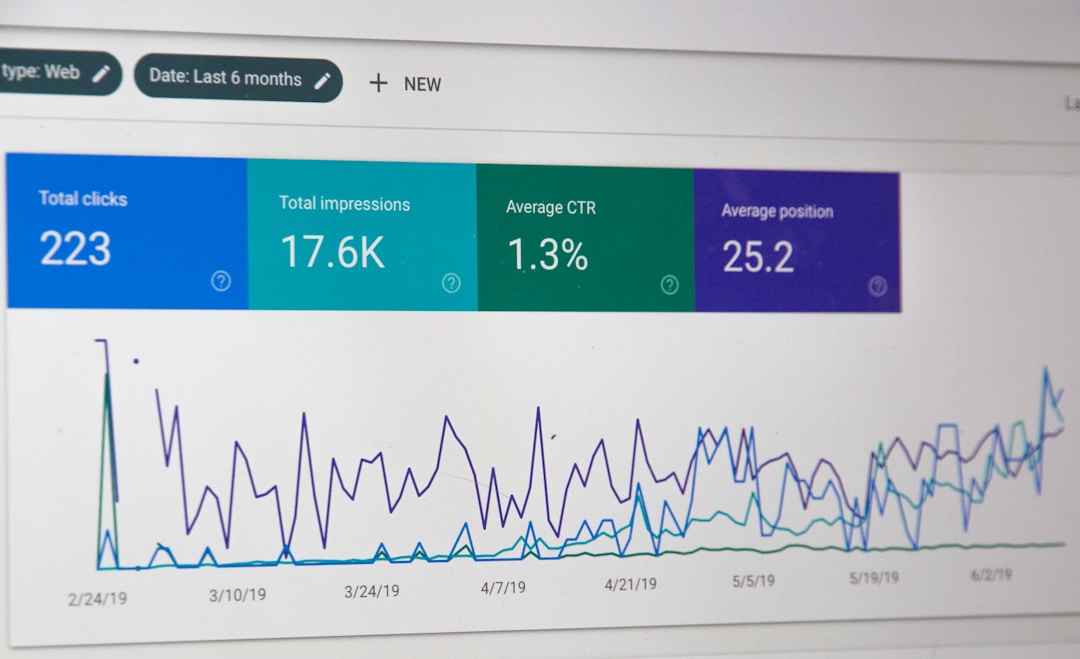
Descriptive analytics are primarily concerned with the interpretation of historical data. In the example mentioned above, the portion of the analysis that identified the difference between last year’s bucket hat sales and this year’s bucket hat sales is descriptive. These types of analytics are most widely used in instances where there is a large amount of historical data, for example, month-to-month sales growth or year-over-year revenue. Descriptive analytics provides the reasoning behind changes in data that have occurred over time.
Predictive Analytics

Predictive analytics make use of modeling techniques and statistics in order to make informed predictions about possible outcomes. These types of analytics use the causal relationships outlined by descriptive analytics to determine how likely specific data patterns will emerge again. One of the most famous usages for predictive analytics is in the insurance industry.
Insurance companies use predictive analytics for risk assessments. Your insurance company takes several factors into account when providing plans, coverage, and pricing. These factors include your age, location, and driving history. Then, the insurer will run these personal factors through their data analysis process to determine how much risk they will be taking on with you as a customer. Pricing, available plans, and coverage will be awarded accordingly.
Prescriptive Analytics

This particular type of data analytics uses machine learning to recommend future courses of action. Similar to the way predictive analytics gauges the likelihood of future scenarios, prescriptive analytics identifies which possible outcome could be the most beneficial for your company. The information that prescriptive analytics provides is often referred to as “actionable insights.”
Actionable insights are data-driven recommendations. Using the estimates of future outcomes that predictive analytics reveals, prescriptive analytics analyzes them for each possible outcome much faster and more accurately than a human could. For this reason, prescriptive analytics are often employed in industries wherein there is very little room for human error, like the healthcare industry.
The use of analytics can improve your business processes in nearly every way. Your company or organization is already generating tons of data every day. Harnessing the power of this data and putting it to good use can give you an edge over competitors and help you make the most informed decisions possible. For more information regarding analytics and how to implement them within your business, consider visiting the website of an industry leader in data science software technology, like TIBCO.
