

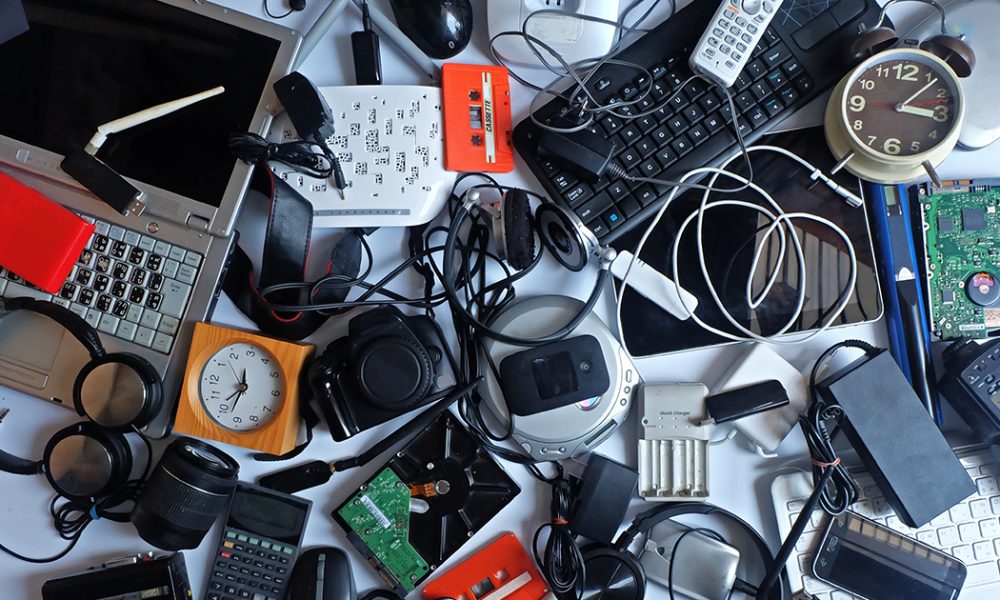
Behind the gleaming facades of technology advancement lies a mounting crisis that ewaste recycling systems worldwide struggle to contain. In warehouses across industrial zones, mountains of discarded electronics arrive daily: smartphones with cracked screens, laptops deemed too slow, televisions replaced by newer models. Each device represents both an environmental threat and an opportunity, depending entirely on how societies choose to manage this rapidly growing waste stream.
The Scale of the Problem
The numbers reveal a sobering reality. Investigations into global waste streams show that humanity generates approximately 53.6 million tonnes of electronic waste annually, a figure that increases by roughly 2 million tonnes each year. Only 17.4 per cent of this total enters formal recycling channels. The remainder disappears into informal sectors, ends up in landfills, or sits forgotten in storage.
Developing nations bear a disproportionate burden. Shipping records and customs data reveal that wealthy countries export significant quantities of e-waste to Africa and Asia, often disguised as working equipment or charitable donations. Once these shipments arrive, local workers dismantle devices using rudimentary tools in unregulated yards. They burn cable insulation to access copper, heat circuit boards over open flames to melt solder, and dump residual materials in nearby waterways. The environmental and health consequences prove devastating, yet the economic incentives perpetuate the practice.
What Makes Electronics Hazardous
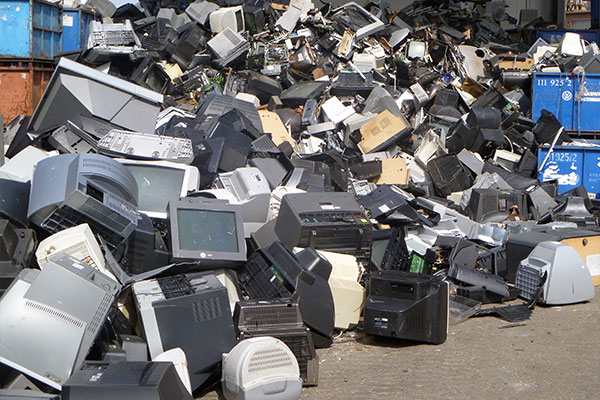
Understanding the danger requires examining what electronics contain. Circuit boards incorporate lead in solder joints, mercury in switches and backlights, cadmium in batteries and semiconductors, and brominated flame retardants in plastic casings. Cathode ray tubes from older monitors contain up to 3 kilograms of lead per unit. Batteries pose fire risks and contain toxic electrolytes. These substances, when improperly handled, leach into groundwater or release into air during burning.
Yet these same devices also contain valuable materials. A tonne of circuit boards yields more gold than a tonne of gold ore from a mine. Mobile phones contain silver, palladium, and copper in concentrations far exceeding natural deposits. Rare earth elements crucial for modern technology exist in hard drives, speakers, and display screens. The economic value of recoverable materials from global e-waste exceeds 57 billion pounds annually, most of which currently goes unrecovered.
How Proper Systems Function
Investigations into successful ewaste recycling operations reveal sophisticated processes far removed from informal dismantling yards. Authorised facilities begin with collection networks that provide convenient access points for businesses and households. Some operators establish partnerships with retailers, allowing consumers to return old devices when purchasing new ones. Others coordinate with municipalities to include electronics in existing waste management services.
Once collected, materials enter specialised processing facilities. Initial sorting separates items by category: large appliances, small appliances, IT equipment, telecommunications devices, and consumer electronics each follow different pathways. Trained technicians remove hazardous components such as batteries and mercury-containing parts for separate handling.
Automated shredding systems then reduce items to fragments. Magnetic separators extract ferrous metals. Eddy current separators remove aluminium and copper. Density separation techniques isolate different plastic types. Circuit boards undergo further processing through smelting or chemical treatments that recover precious metals with high efficiency. Glass from screens is separated and recycled. Even plastic casings find new life in manufacturing applications.
Economic and Environmental Returns
The business case for comprehensive ewaste recycling strengthens as material values rise and landfill costs increase. Facilities processing thousands of tonnes annually achieve economies of scale that make sophisticated recycling profitable. The recovered materials return to manufacturing supply chains, reducing demand for virgin resources.
Environmental benefits extend beyond pollution prevention. Mining operations required to extract virgin metals disturb vast land areas, consume enormous water quantities, and generate substantial greenhouse gas emissions. Recycling avoids these impacts whilst requiring significantly less energy. Studies demonstrate that recycling electronics uses 90 per cent less energy than producing equivalent materials from ore.
Communities near proper recycling facilities avoid the health crises plaguing informal recycling zones. Workers in regulated facilities use protective equipment, operate in controlled environments, and receive proper training. Air and water quality remains uncompromised. Local economies benefit from legitimate employment rather than exploitative informal work.
Building Better Systems
Progress requires addressing multiple fronts simultaneously. Extended producer responsibility schemes, which make manufacturers responsible for end-of-life management, create incentives for designing recyclable products. Regulations restricting informal exports prevent wealthy nations from exporting environmental problems. Investment in proper infrastructure, particularly in developing regions, provides alternatives to dangerous informal recycling.
Consumer awareness plays a crucial role. Many people simply do not know proper ewaste recycling exist or understand why they matter. Education campaigns highlighting environmental impacts and available services increase participation rates. Convenient collection options remove barriers that otherwise lead to improper disposal.
The path forward demands commitment from manufacturers, governments, consumers, and recycling industries working in concert. The technology exists to manage electronic waste safely and profitably. Implementation remains the challenge, requiring sustained effort to build systems that transform today’s waste crisis into tomorrow’s resource security.
