

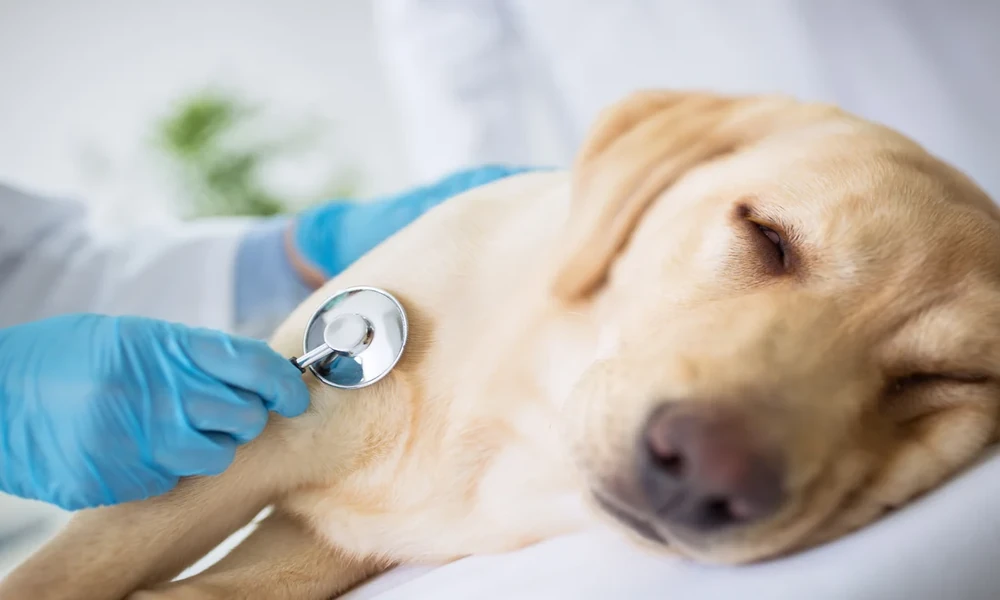
You hear it once and hope it was nothing. Then it happens again. Your dog or cat gags after eating, gags when waking up, or makes that strained throat sound without bringing anything up. It is unsettling because gagging can look minor right up until it clearly is not. Repeated gagging is one of those signs that can point to several problems at once, and many of them involve the mouth, throat, or esophagus. If you are concerned, veterinarians in Heber Springs, Arkansas can help evaluate what is going on.
What repeated gagging can tell a vet about a pet’s mouth, throat, or esophagus comes down to location and pattern. A pet with dental pain may gag when chewing. A pet with throat irritation may gag when swallowing. A pet with an esophageal disorder may regurgitate food, stretch the neck, or seem hungry but struggle to get food down. The sound may be similar, but the cause often is not, which is why a careful exam matters.
Repeated gagging often points to pain, obstruction, or trouble swallowing
Gagging is not a diagnosis. It is a clue. Vets look at when it happens, what comes up if anything, and whether your pet is also drooling, coughing, pawing at the mouth, eating less, or losing weight. Those details help narrow down whether the problem starts in the mouth, the back of the throat, or deeper in the esophagus.
Mouth problems are common, especially in pets with tartar buildup, gum disease, broken teeth, oral masses, or something stuck between the teeth. You may notice your pet approaching food with interest, then backing away, chewing on one side, dropping kibble, or gagging after trying to eat. The American Veterinary Medical Association explains how routine oral care supports pet health in its guide to pet dental care.
Throat problems can trigger gagging because swallowing becomes painful or awkward. Inflamed tissue, foreign material, growths, or irritation after vomiting can all play a part. Some pets start swallowing repeatedly, licking their lips, or extending the head and neck as if they are trying to clear something.
The esophagus adds another layer. This tube moves food from the mouth to the stomach. When it is inflamed, narrowed, enlarged, or not moving food normally, gagging and regurgitation can follow. Regurgitation is often confused with vomiting, but it usually happens with less warning and less abdominal effort. Food may come back up quickly after eating and look undigested. In dogs, the Merck Veterinary Manual outlines several disorders of the esophagus in dogs. For cats, similar concerns appear in disorders of the esophagus in cats.
What a veterinarian looks for when gagging keeps happening
A general veterinarian starts with the pattern. Gagging during meals suggests one set of problems. Gagging at random, especially with regurgitation, points toward another. A pet that acts bright and normal between episodes may still have a serious issue if food or water is not moving the way it should.
During an exam, the vet may check the teeth and gums, look under the tongue, feel along the neck, listen to the chest, and ask about eating habits, treats, chewing behavior, vomiting history, and any chance of swallowing bones, toys, string, or plant material. If the problem seems deeper than the mouth, imaging may be needed. Dental disease can also be part of the picture, and the AVMA’s pet dental care brochure gives a useful overview of signs owners often miss.
Frequent gagging in pets can also come with bad breath, thick drool, a wet cough, or weight loss. Those signs matter because they help separate a simple irritation from a problem that has been building for weeks. A pet with chronic esophageal disease may aspirate food or liquid into the lungs, which can turn a swallowing problem into a breathing problem.
Common patterns behind gagging, retching, and swallowing trouble
| Pattern you notice | What it may suggest | Why a vet should check it |
|---|---|---|
| Gagging when chewing or right after taking food | Dental pain, oral injury, object in the mouth | Pain can worsen fast, and hidden oral problems are easy to miss at home |
| Repeated swallowing, drooling, neck stretching | Throat irritation, inflammation, foreign material | Swelling or a lodged object can interfere with normal swallowing |
| Undigested food coming back up soon after meals | Esophageal disease, poor esophageal movement, narrowing | Risk of dehydration, malnutrition, and aspiration pneumonia |
| Bad breath, dropping food, pawing at face | Periodontal disease, broken tooth, oral mass | Oral disease is painful and can affect the whole body over time |
| Gagging plus coughing, lethargy, or fast breathing | Aspiration or airway involvement | Needs prompt care because breathing issues can escalate quickly |
Pet gagging causes should be taken seriously at home
Owners often wait because the episodes are brief. That makes sense. Pets can seem fine in between, and nobody wants to overreact. The problem is that gagging tied to the mouth, throat, or esophagus rarely fixes itself if pain, infection, narrowing, or a foreign object is involved.
A general veterinarian can sort out whether this is mostly a dental issue, a swallowing problem, or something affecting the upper digestive tract. That distinction changes treatment. One pet may need a dental procedure and pain relief. Another may need X rays, diet changes, medication, or urgent help removing an obstruction.
Three steps you can take right away
1. Track the pattern. Write down when the gagging happens, whether it is tied to meals, and whether your pet coughs, vomits, or brings up undigested food. A short phone video can help your vet tell the difference between gagging, retching, coughing, and regurgitation.
2. Check for other warning signs. Watch for drooling, bad breath, trouble chewing, lip licking, pawing at the mouth, reduced appetite, weight loss, or noisy swallowing. If your pet has trouble breathing, cannot keep water down, or seems distressed, seek urgent veterinary care.
3. Schedule a veterinary exam early. Repeated gagging is enough reason to book an appointment, even if your pet still has energy and wants food. Early care can prevent a smaller problem from turning into aspiration pneumonia, severe dental pain, or prolonged esophageal damage.
You are not overthinking this. Repeated gagging is your pet’s way of showing that eating, swallowing, or moving food normally may no longer be easy. Getting it checked gives you answers, and it gives your pet relief sooner.
