

You notice the bad breath first. Then your dog drops kibble, or your cat starts turning away from dry food it used to eat without a problem. It is easy to tell yourself it is just aging, or that pets have smelly mouths and that is the end of it. Many owners do that because dental problems often build slowly, and the signs can look small until they are not. At Emeryville Animal Hospital serving Lakeshore, Ontario, we know these subtle changes can point to bigger dental issues.
This is where the role of general veterinarians in pet dental health matters so much. Your regular veterinarian is often the first person to catch gum disease, loose teeth, oral pain, infection, and the early changes that can turn into expensive treatment if they are missed. In an animal hospital, general vets do more than glance at the mouth during an exam. They connect what is happening in the teeth and gums to your pet’s eating, comfort, behavior, and long term health.
General veterinarians catch dental disease before pets show obvious pain
Pets hide pain well. A dog can still wag its tail and eat while living with sore gums or a cracked tooth. A cat can keep grooming and acting normal while inflammation is building below the gumline. By the time a pet stops eating, paws at the mouth, or cries when chewing, the problem is often advanced.
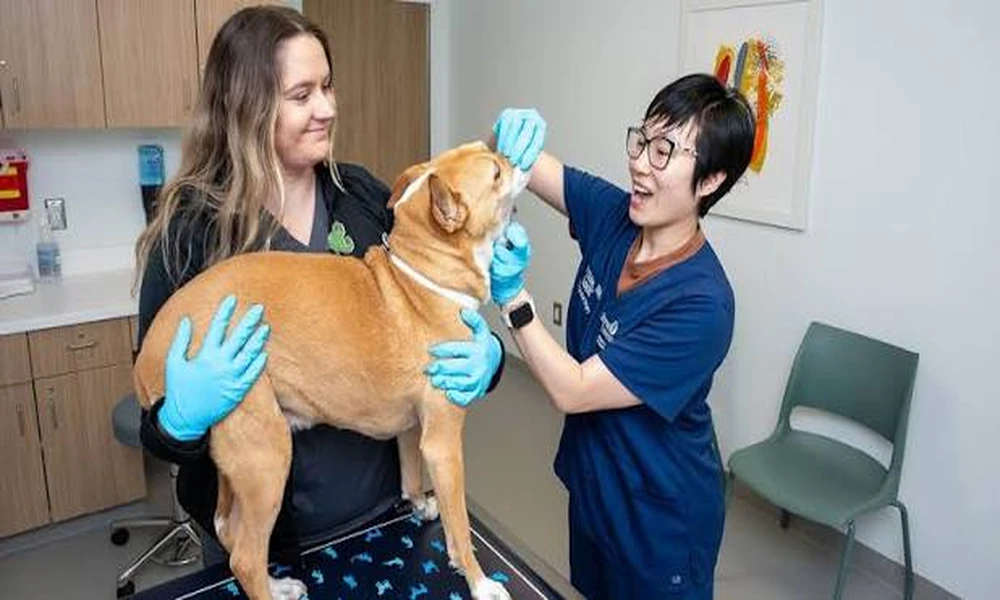
General veterinarians are the front line for this. During routine wellness visits, they look for tartar buildup, red gums, broken teeth, oral masses, odor, and signs of pain. They also ask the questions owners may not think connect to dental trouble. Has your pet started chewing on one side? Is food falling out of the mouth? Has play changed? Those details matter because dental disease rarely stays limited to “bad breath.”
Texas A&M’s veterinary team explains that pet dental care is important because oral disease can lead to pain, tooth loss, and health problems beyond the mouth. That is why regular exams matter even when your pet seems fine at home.
Routine veterinary dental care protects comfort and controls costs
Most dental disease starts quietly with plaque. Plaque hardens into tartar, tartar irritates the gums, and gum inflammation can progress to periodontal disease. Once the tissues supporting the teeth are damaged, treatment gets more involved. That can mean dental X rays, extractions, antibiotics in some cases, pain medication, and anesthesia. The longer it sits, the harder it is on your pet and your budget.
That is why general veterinarians and pet dental care go hand in hand. A general vet can recommend the right timing for cleanings, explain what can be handled with home care and what cannot, and help you avoid the trap of waiting until the mouth is clearly painful. They also know when a case needs referral for advanced dentistry or oral surgery, which is another key part of their role. Good care is not pretending every case is simple. Good care is knowing what your pet needs now and what should be escalated.
Cornell’s veterinary experts note that dental disease and home dental care work best together, not as substitutes. Brushing and dental products help reduce plaque, but they do not replace professional exams and treatment when disease is already present.
Pet oral health depends on both home care and professional exams
Owners often feel stuck between two bad options. One is doing nothing because anesthesia sounds scary or the estimate feels high. The other is relying on chews, water additives, or “anesthesia free” cleaning and hoping that covers the problem. Neither path works well when there is disease under the gumline, where the real damage often hides.
Pet oral health is not about picking one tool and calling it done. It is layered care. Home brushing helps slow plaque buildup. Dental diets and approved chews can help some pets. Professional cleanings let the veterinary team assess the whole mouth, clean under the gums, and find pain your pet cannot explain. A general veterinarian helps you sort through what is useful and what is marketing.
| Approach | What It Helps With | What It Cannot Do | Best Use |
|---|---|---|---|
| Daily tooth brushing | Reduces plaque on tooth surfaces | Cannot treat advanced periodontal disease or hidden tooth damage | Ongoing prevention between vet visits |
| Dental chews or approved dental diets | May reduce some plaque and tartar buildup | Does not replace exams, X rays, or treatment | Supportive care for pets that tolerate them well |
| Professional dental cleaning at an animal hospital | Evaluates the full mouth, cleans above and below the gumline, identifies disease | Does not prevent future plaque without home care | Diagnosis, treatment, and baseline oral assessment |
| Anesthesia free cosmetic cleaning | May remove visible surface debris | Cannot safely clean under the gums or fully assess pain and disease | Not a substitute for veterinary dental treatment |
Small changes at home often point to bigger dental problems
You do not need to diagnose the issue yourself. You just need to notice the pattern. A pet that suddenly prefers soft food, resists face touching, drools more, has blood on toys, or seems less playful may be dealing with oral pain. Some pets get irritable. Some withdraw. Some keep eating because instinct tells them to, even when it hurts.
The role of a general veterinarian is to take those vague signs and turn them into a real plan. That may be a closer oral exam, blood work before anesthesia, a cleaning with dental X rays, or a referral if the case is more advanced. Early action usually means simpler treatment and less suffering.
Three steps you can take right now for better veterinary dental care
Schedule a mouth check at your pet’s next exam. If your pet has bad breath, chewing changes, visible tartar, or red gums, bring it up directly. Do not wait for the vet to discover it by chance.
Start one realistic home care habit. Daily brushing is the standard, but even a few times a week is better than doing nothing. If brushing is not possible yet, ask your veterinary team about approved wipes, chews, or diets that fit your pet.
Ask for a clear dental plan. Find out whether your pet needs monitoring, a professional cleaning, or more advanced treatment. Ask what is urgent, what can wait, and what signs mean you should come in sooner.
Your pet does not get a choice about living with mouth pain, but you do get a choice about how early it is found. That is the quiet strength of general veterinary care. It catches the things that are easy to miss, treats problems before they spiral, and helps your pet stay comfortable for the long haul. If you have concerns about your pet’s teeth or gums, contact your local animal hospital and schedule an exam.
