

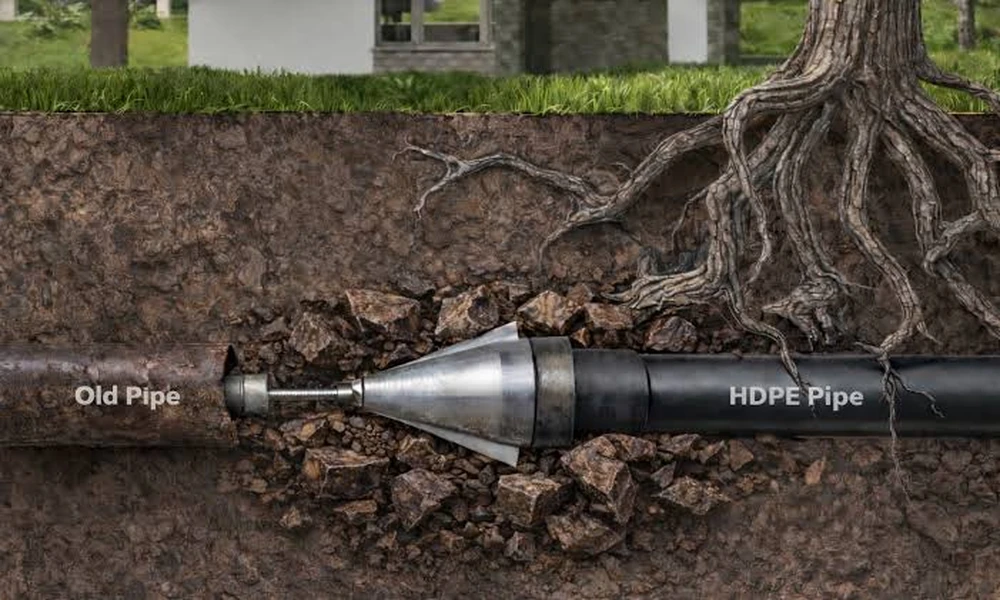
When an underground sewer or drainage pipe develops a serious problem, many homeowners immediately imagine excavation. They picture sections of the lawn being dug up, landscaping being removed, driveways or walkways being disturbed, and a damaged pipe being pulled out of the ground.
Traditional excavation can certainly be the right solution in some situations. However, it is not always the only option.
Modern plumbing rehabilitation techniques have given property owners another way to address certain underground pipe problems. Instead of completely removing an existing pipe, professionals may be able to rehabilitate it from the inside using a process commonly known as pipe lining.
For homeowners dealing with recurring drainage problems, aging sewer lines, cracks, root intrusion, or other underground plumbing issues, understanding this approach can make it easier to have an informed conversation with a plumbing professional.
Why Underground Pipe Problems Are So Difficult
The biggest challenge with underground plumbing is obvious: you cannot see it.
A pipe beneath a lawn or driveway can deteriorate for years without giving homeowners a clear indication of what is happening. Eventually, symptoms may appear in the form of slow drains, repeated backups, unpleasant odors, unusually wet areas in the yard, or wastewater that does not seem to be flowing normally.
Unfortunately, these symptoms do not always reveal the actual cause.
A recurring blockage could be caused by roots entering through a damaged joint. A cracked pipe could allow surrounding soil into the line. Older pipes may develop structural deterioration, while shifting soil can cause connections to move out of alignment.
Simply clearing the blockage may restore drainage temporarily without solving the underlying problem.
That is why recurring issues deserve more investigation rather than repeated temporary fixes.
What Is Pipe Lining?
Pipe lining is a method of rehabilitating an existing pipe by installing a new lining inside it.
One commonly used technique is called cured-in-place pipe, or CIPP. The process generally involves inserting a flexible resin-coated liner into an existing pipeline and curing it so that the liner forms a new pipe within the old one.
The U.S. Environmental Protection Agency’s guidance on trenchless sewer rehabilitation explains how trenchless technologies such as cured-in-place pipe can be used to rehabilitate existing sewer infrastructure while potentially reducing the excavation associated with conventional replacement.
The exact process can vary depending on the pipe’s size, material, condition, location, and the rehabilitation system being used.
The basic idea, however, is simple: rather than immediately digging out the existing pipe, the contractor evaluates whether it can be rehabilitated from within.
Why Less Excavation Can Matter to Homeowners
The potential reduction in excavation is one of the biggest reasons homeowners investigate pipe lining.
Imagine a sewer line running beneath a mature garden. Traditional replacement could require removing plants, digging through established soil, completing the plumbing work, and then rebuilding the affected landscape.
Now consider a pipe running beneath a concrete walkway or driveway.
The plumbing problem itself may be relatively straightforward, but restoring the property afterward can add considerable inconvenience and expense.
A trenchless approach may reduce the amount of surface disturbance when the existing pipe and site conditions are suitable.
That does not mean every pipe lining project is completely excavation-free. Access points may still be necessary, and some properties may require limited digging.
The important distinction is that the amount of excavation can potentially be significantly reduced compared with conventional dig-and-replace methods.
The First Step Should Be Diagnosis
Before deciding whether to line or replace a pipe, the condition of the existing line needs to be understood.
This is where a professional camera inspection can be extremely useful.
A small inspection camera can travel through the pipe and provide a view of what is happening inside. Depending on the situation, the inspection may reveal cracks, root intrusion, buildup, damaged joints, offsets, or other structural problems.
That information changes the conversation.
Instead of guessing why a sewer line keeps backing up, a homeowner can see whether the problem is a simple obstruction or part of a larger structural issue.
A camera inspection can also help determine whether the existing pipe is suitable for rehabilitation.
Recurring Root Problems Should Not Be Treated as Just Another Clog
Tree roots and underground plumbing can create persistent problems.
Roots naturally seek moisture, and even small openings around pipe joints or damaged sections can provide an opportunity for roots to enter.
Once inside, roots can interfere with wastewater flow and collect additional debris. A professional cleaning may remove the immediate obstruction, but the underlying entry point can remain.
If the same section repeatedly develops root-related blockages, it is worth investigating why the roots keep returning.
Depending on the pipe’s condition, rehabilitation may provide a longer-term solution than repeatedly clearing the same section.
When Pipe Lining May Make Sense
Pipe lining is not appropriate for every damaged pipe.
The existing line generally needs to meet certain structural and access requirements. A professional must evaluate the condition of the pipe before recommending the method.
For homeowners researching pipe lining in Hamilton, the most important question is not simply whether lining is available. It is whether the existing pipe is actually a good candidate for rehabilitation.
A professional evaluation should consider the extent of the damage, the pipe’s size and material, its alignment, accessibility, and whether there are severe structural failures.
In some cases, lining can be a practical alternative to extensive excavation. In others, traditional replacement may be the more appropriate solution.
The right answer depends on the condition of the individual plumbing system.
What Happens During the Process?
Although the exact procedure varies, pipe rehabilitation generally begins with an inspection and preparation of the existing line.
The pipe may need to be thoroughly cleaned to remove buildup, debris, roots, or other material that could interfere with the installation.
Once the line has been prepared, the lining material can be introduced into the existing pipe. Depending on the system, the liner is positioned and then cured so that it forms a hardened pipe within the original one.
After the rehabilitation work is complete, the contractor may inspect the finished liner to confirm that it has been installed properly and that the pipe is functioning as intended.
Homeowners should ask their contractor to explain each stage of the process before work begins. Knowing what will happen can make the project considerably less confusing.
Pipe Lining Can Reduce Property Disruption
One of the most appealing aspects of trenchless rehabilitation is that the plumbing work does not necessarily have to become a major landscaping project.
Consider a homeowner with a backyard that contains mature trees, gardens, patios, or carefully maintained landscaping.
Digging a long trench across the property could create a second problem that has nothing to do with plumbing: restoring everything that had to be removed.
Reducing excavation can potentially minimize that disruption.
The same principle applies to commercial properties and homes where underground pipes run beneath paved surfaces. Avoiding extensive excavation can make the project less disruptive to everyday use of the property.
Of course, every property is different, so homeowners should ask exactly how much excavation a proposed project will require.
Does Pipe Lining Eliminate the Need for Maintenance?
No.
Even a rehabilitated pipe remains part of a plumbing system that needs reasonable care.
Homeowners should avoid flushing materials that do not belong in the sewer system and should be mindful of what goes down kitchen drains. Grease, unsuitable paper products, and other materials can contribute to drainage problems.
Trees and landscaping should also be considered when underground plumbing is involved. If a property has a history of root intrusion, homeowners should discuss appropriate preventive measures with a plumbing professional.
A rehabilitated pipe can address certain structural problems, but good plumbing habits still matter.
When Replacement May Be the Better Option
It is important to keep expectations realistic.
Pipe lining is not a universal substitute for conventional pipe replacement.
If an underground pipe has completely collapsed, has severe structural damage, is significantly misaligned, or presents conditions that prevent successful lining, excavation and replacement may be necessary.
There may also be situations where replacing the pipe provides a more practical long-term solution.
That is why homeowners should be cautious about contractors who recommend one method without properly inspecting the existing line.
A trustworthy professional should be willing to explain both the advantages and limitations of the proposed solution.
Ask These Questions Before Approving the Work
Before agreeing to an underground pipe rehabilitation project, homeowners should ask several straightforward questions.
What did the inspection reveal?
The contractor should be able to explain the specific problem rather than simply saying the pipe is old.
Is the existing pipe suitable for lining?
Not every damaged pipe qualifies.
How much excavation will be required?
Even trenchless projects can require access points or limited excavation.
What rehabilitation method will be used?
Homeowners should understand what technology and materials are being proposed.
How will the completed work be inspected?
A clear answer can provide confidence that the project has been completed properly.
What happens if another problem develops later?
Understanding warranties and workmanship guarantees before the project begins is much easier than trying to resolve questions afterward.
A Different Way to Think About Underground Plumbing
The biggest advantage of modern pipe rehabilitation is not that it makes every plumbing problem easier.
It gives homeowners more options.
Instead of assuming that a damaged underground pipe automatically means extensive excavation, property owners can first determine whether rehabilitation is technically possible.
That can be particularly valuable when a pipe runs beneath landscaping, concrete, driveways, patios, or other expensive surfaces.
The decision should still be based on the actual condition of the pipe. A camera inspection, professional assessment, and detailed explanation of the available options can help homeowners understand what they are paying for and why.
The Best Solution Is the One That Fits the Property
Underground plumbing problems can be stressful because they involve something homeowners cannot easily see.
But a recurring backup, root intrusion, or aging sewer line does not necessarily mean that the entire yard needs to be dug up.
Pipe lining may provide a less disruptive alternative for certain situations, while traditional replacement remains the right choice for others.
The key is to diagnose the problem before deciding on the solution.
For homeowners, that means looking beyond the immediate symptom. A drain that keeps backing up may be telling you something about the pipe beneath the property. A recurring root problem may indicate a damaged section that needs more than another cleaning. An aging sewer line may deserve an inspection before it develops into an emergency.
Once the actual condition of the pipe is understood, the choices become much clearer.
And sometimes, the smartest way to deal with an underground pipe is to repair it without digging up everything above it.
