

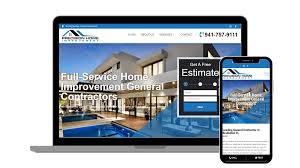
At a time when clients often look online for the contractors and builders they need, having a website is no longer enough — your site must perform, impress, and convert. For construction firms aiming to grow, enlisting the help of skilled Construction website designers can make the difference between a stagnant online presence and a thriving source of leads and credibility. By focusing on design and functionality tailored to the building industry, these professionals turn a simple site into a robust marketing tool.
Crafting a User-Focused and Trustworthy Online Presentation
A building or contracting business relies heavily on trust: potential clients want to see professionalism, a portfolio of previous work, and easy ways to get in touch. Construction website designers understand that the site’s layout, navigation, and visual elements speak volumes before a client even picks up the phone. A well-crafted site presents services clearly, displays past projects or portfolios with quality photos, highlights certifications or credentials, and may even include testimonials — all of which help visitors feel confident about reaching out.
Further, such designers often build websites using flexible content management frameworks that allow contractors to easily update project images, add new services, or refresh content without needing deep technical skills. This adaptability means the online presence can grow and evolve alongside the business, without requiring a complete redesign each time a project completes or a service expands.
Performance, Responsiveness, and SEO-Ready Foundations
It’s not just about how a website looks — how it performs matters hugely. Today’s web users frequently browse on smartphones or tablets, and search engines prefer sites that load quickly and adapt well to different screen sizes. Construction website designers ensure sites are built with responsive design principles so that images, navigation menus, and contact features work smoothly whether the user is on a desktop or a mobile device.
Moreover, a thoughtfully designed site helps improve search visibility. Clean, well-structured pages, organized content, and optimized elements like metadata, service pages, and clear URLs all contribute to better indexing by search engines. This helps ensure that when someone searches for building or contracting services, your firm’s site is more likely to appear among the top results — increasing the chances of reaching potential clients actively looking for your expertise.
Converting Traffic into Leads Through Strategic Design
At the heart of an effective contractor website is conversion: turning visitors into inquiries or clients. Professional construction web design does more than show off past work — it encourages action. Clear contact forms, easy-to-find call-to-action buttons, and intuitive navigation guide visitors toward requesting a quote or consultation. When a visitor can immediately see services, browse project galleries, read about certifications or customer reviews, and reach out effortlessly, the likelihood of conversion increases significantly.
Because these sites are built with the user and the business objectives in mind, they serve as powerful digital tools: they reflect the quality of workmanship, make it easy for clients to understand services, and streamline the inquiry process. Over time, a high-performing website becomes an asset — generating leads 24/7 and supporting steady growth.
Conclusion: Why Specialized Design Matters
In a competitive construction marketplace, a generic or template-based website simply won’t cut it. The firms that succeed online are those that treat their website as more than a digital brochure — they see it as a dynamic, conversion-driving platform that’s tailored to their industry and clientele. Engaging with dedicated Construction website designers ensures your online presence is polished, functional, and strategically aligned with your business goals. A well-designed website not only establishes credibility and showcases expertise — it drives inquiry, builds relationships, and ultimately helps transform online visitors into real-world projects.


