

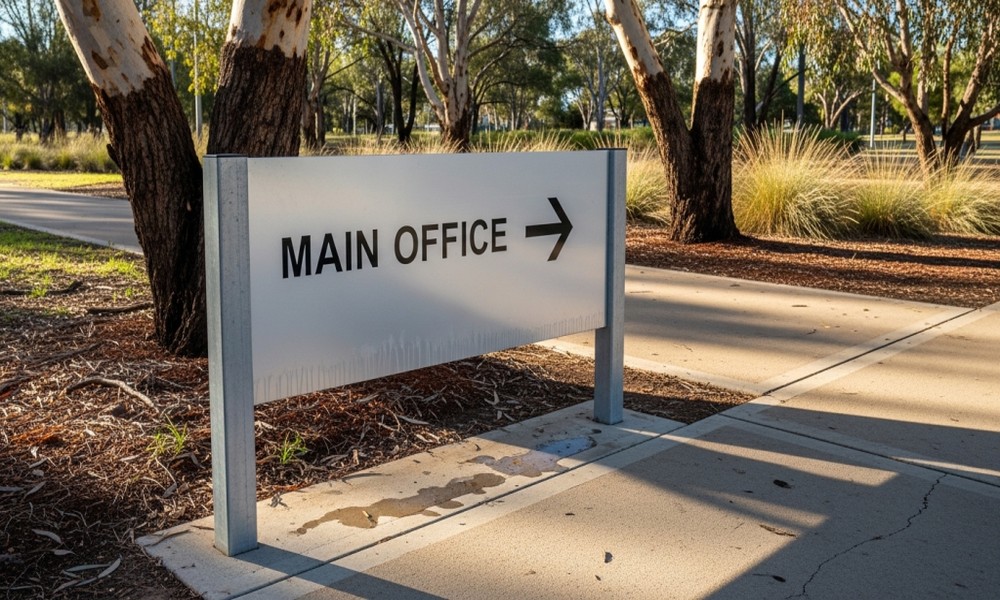
A sign that looks flawless in spring can quickly turn shabby when Toronto’s wicked winter hits. Outdoor numbers and signage are constant targets for sun, sleet, rain, and temperature swings. The real test of any sign isn’t how sharp it looks the day it’s installed, it’s how well it stands up to the elements over time.
The Critical Role of Weather Resistance in Outdoor Signage Longevity
Every season brings its own set of challenges for outdoor materials. Summer bakes surfaces with intense UV rays, causing fading and warping. Fall and winter bombard signs with moisture, snow, ice, and sudden temperature drops. Spring may promise a refresh, but it often brings wind-driven rain and thaw cycles that push materials to their limits. Simply put, Toronto’s climate is a gauntlet, and only weather-resistant signage survives with grace.
Weather resistance is more than just a nice-to-have. It is fundamental for visibility and durability. House numbers and commercial signs must remain legible and stable through years of freeze-thaw, humidity, and sunlight. Durable materials and finishes make the difference between crisp curb appeal and a cracked, unreadable mess.
Materials That Withstand the Elements
Metals like bronze, brass, aluminum, and stainless steel are classics for a reason. Bronze and brass offer timeless beauty and naturally resist corrosion. Aluminum is lightweight yet tough, while stainless steel stands up to rust and provides a clean, modern look. Each metal performs differently in extreme weather, but all can be crafted into stylish numbers or plaques with lifespans that often outlast the homes they adorn.
Stone and slate are prized for their natural durability and visual gravitas. They do not fade or warp and can shrug off rain and frost for decades. These materials suit heritage homes, lending a sense of permanence and prestige.
Acrylics and vinyl have emerged as modern contenders. They are flexible, lightweight, and can mimic the look of glass or metal. Their main advantage is customization, brilliant colors and precision shapes, but their best forms are those with UV inhibitors and reinforced backing to handle Toronto’s climate.
How do these materials truly compare in harsh environments? Metals like stainless steel and bronze lead for sheer longevity, especially with proper finishes. Stone holds its own, but can be vulnerable to cracking if not installed correctly. High-quality acrylics and vinyls can last years, but generally require more frequent inspection.
Weather-Resistant Finishes and Protective Treatments
Even the best material needs a fighting chance against moisture, salt, and sun. Enter finishes like powder coating and UV-resistant paints, which seal surfaces and prevent fading or chipping. Sealants and waterproofing treatments block water from infiltrating seams, especially on stone or layered plaques. Anti-corrosion methods (such as clear lacquer for brass or special primers for steel) further shield metals from rust.
Choosing the right finish depends on where the sign will live. A plaque exposed to direct sun requires UV blocking. An entrance marker near salted sidewalks needs extra rust protection. Details like these make all the difference.
Design Considerations for Longevity and Readability
Visibility isn’t just about style; it’s a safety and convenience issue. Numbers need to be readable from the curb in rain, snow, or glare. Bigger, bolder fonts usually fare best, especially when paired with high-contrast backgrounds. Placement matters, too. Signs mounted away from gutters and sprinklers suffer less wear.
Stability is another key factor. Secure mounting hardware and proper anchors keep signs flush to the wall, ready to face wind gusts and snow loads. For those who want to blend beauty with function, illuminated or reflective options make sure visibility doesn’t vanish after dusk.
Customization and Local Expertise: Tailoring Signs for Toronto’s Climate and Architecture
The best results come from combining technical know-how with local knowledge. Toronto’s unique blend of architectural styles, from bay-and-gable to Annex classics, calls for tailored designs that respect both form and function. That’s why working with a specialist, like Orthografica custom plaques Toronto, gives homeowners and businesses an edge. Their experience with local materials, mounting methods, and finishes ensures each sign is built to thrive, no matter the weather or the building style.
Maintenance Tips to Extend the Life of Outdoor Numbers and Signs
Routine inspection and cleaning go a long way. Wipe away dirt, salt, and debris each season. After winter, check for loose mounts or tiny cracks. In spring and fall, touch up finishes as needed to keep moisture out. If a finish starts to flake, consider professional refinishing before corrosion sets in. Eventually, some parts may need replacing, but attentive care can stretch a sign’s lifespan for decades.
The Process of Creating Weather-Resistant Custom Signage
Creating a truly weather-resistant sign starts with site evaluation. Designers consider exposure, wall material, and distance from the street. Proposals include not just style but also recommendations on materials and finishes tailored to the environment. Production may take a few weeks, with a final product that reflects both client preferences and local demands. Professional installation, with the right fasteners and templates, locks in longevity and curb appeal.
Future Trends in Weather-Resistant Outdoor Signage
The next generation of signage brings smart materials and coatings that self-heal tiny scratches or resist graffiti. Solar-powered illumination and smart sensors keep signs visible in all conditions. Sustainability is another priority, with eco-friendly materials and processes becoming standard in long-lasting outdoor signage.
In the end, weather resistance is not a minor feature. It is the key that turns attractive signage into a lasting statement, one that stands proud, season after season, on Toronto’s ever-changing streets.
