

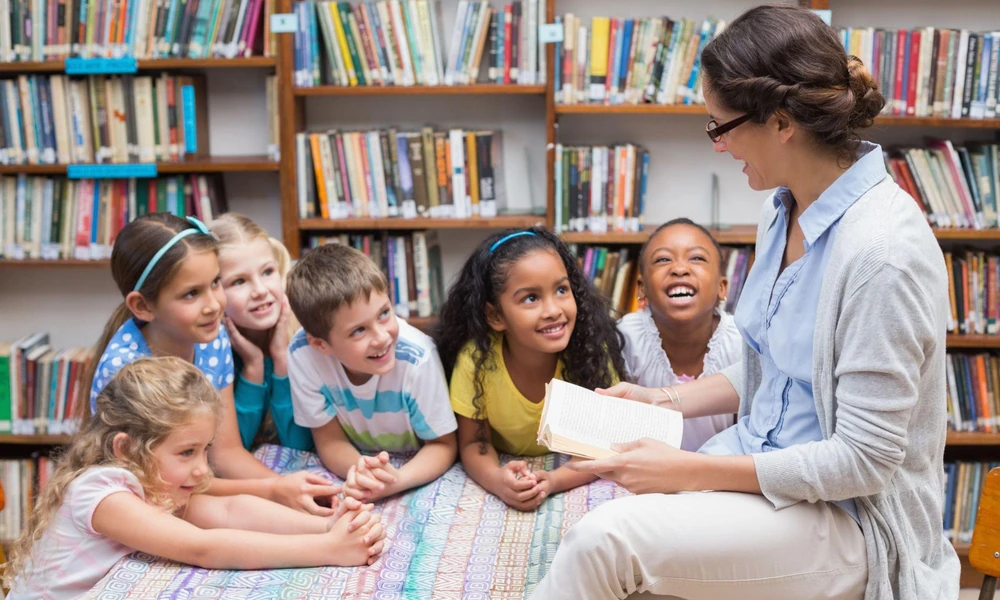
At three to four years old, Nursery 2 (N2) toddlers experience a remarkable explosion in language development. During this energetic stage, young brains absorb speech patterns, vocal rhythms, and new vocabulary at an astonishing speed. However, parents often notice that standard flashcard drills and repetitive writing exercises fail to captivate toddlers for more than a few fleeting minutes.
To help your toddler build a genuine connection with Mandarin, you need a learning environment tailored specifically to early childhood psychology. Enrolling your child in a high-quality Chinese enrichment class for N2 pupils provides a fantastic foundation, but selecting the right programme requires careful consideration.
The Playful Engine: Immersive and Sensory Learning Activities
Three-year-old children learn best when they move, touch, listen, and explore. A rigid classroom setting that forces toddlers to sit quietly behind wooden desks for an hour counteracts natural childhood instincts and quickly breeds resentment toward language learning.
An outstanding Chinese enrichment class for N2 learners replaces static lessons with vibrant, sensory-rich play. Look for programmes that weave target vocabulary into interactive storytelling, catchy nursery rhymes, puppet theatre, and creative art projects.
- Teaching Methodology – High-quality N2 enrichment uses dynamic movement, music, and puppet play instead of desk-bound flashcard drills and trace writing.
- Classroom Interaction – It focuses on interactive songs, games, and expressive dialogue rather than teacher-led lecturing and quiet listening.
- Class Size & Ratio – It prioritises small groups that ensure close teacher guidance over large groups with minimal individual focus.
- Language Acquisition – It emphasises immersive context building and natural speech loops instead of isolated vocabulary translation and memory work.
Nurturing Tutors: Passionate Early Childhood Specialists
Teaching toddlers demands far more than native linguistic fluency; it requires deep patience, warmth, and specialised knowledge of early childhood development. An instructor can possess brilliant academic credentials, yet fail to engage a room of lively three-year-olds if they lack emotional warmth.
Top-tier enrichment centres hire dedicated educators who specialise in early childhood pedagogy. These passionate tutors use expressive facial gestures, varied vocal pitch, and gentle encouragement to capture young imaginations effortlessly. They create a safe, welcoming atmosphere where shy children feel comfortable attempting new words, transforming potential anxiety into enthusiastic participation.
Small Class Ratios: Securing Individual Attention and Safety
Nursery toddlers possess brief attention spans and require constant emotional reassurance. In a crowded classroom with a high student-to-teacher ratio, quieter children easily blend into the background, missing vital opportunities to practice spoken dialogue.
Prioritise Chinese tuition centres that strictly cap their N2 class sizes. Small student ratios ensure that instructors give every toddler personalised attention during activities. Educators quickly identify each child’s unique learning speed, offering tailored encouragement to hesitant speakers while providing fun challenges for exceptionally expressive toddlers.
Comprehensive Syllabi: Blending Speech, Listening, and Culture
While fun and play form the heart of early education, a clear, structured framework must guide those playful activities. A well-designed N2 curriculum goes beyond casual entertainment by systematically introducing foundational linguistic blocks.
Look for a balanced syllabus that seamlessly blends oral communication, listening comprehension, basic character recognition, and rich cultural appreciation. Through thematic modules covering daily topics like family, animals, colours, and food, children build practical vocabulary that they can apply immediately at home. Exposing toddlers to traditional festivals, folk songs, and cultural stories deepens their intellectual curiosity, turning language acquisition into an exciting adventure.
Setting the Stage for Your Child’s Future
Choosing the right educational environment for your N2 toddler sets the trajectory for their lifelong language journey. By prioritising play-based methodologies, warm and specialised educators, small class ratios, and a well-structured curriculum, you transform Mandarin learning into a joyful daily experience. Investing in a child-centred enrichment programme today gives your toddler the gift of natural speech fluency, robust social confidence, and a lasting love for Chinese.
Frequently Asked Questions
How long should an N2 Chinese enrichment class last?
Most effective N2 sessions run between 1 to 1.5 hours. This duration provides ample time for varied interactive activities without exhausting a toddler’s physical energy or short attention span.
Should parents attend N2 enrichment classes alongside their toddlers?
While some centres offer parent-accompanied introductory sessions, independent classes help three-year-olds build self-assurance, social independence, and stronger rapport with their teachers and peers.
How soon will I notice progress in my toddler’s Mandarin fluency?
Parents typically observe increased willingness to speak, better pronunciation, and spontaneous recognition of basic vocabulary in daily life within six to eight weeks of consistent attendance.
Give your toddler the gift of Mandarin fluency! Contact Hua Language Centre today to book a trial class and start their exciting language journey.
