

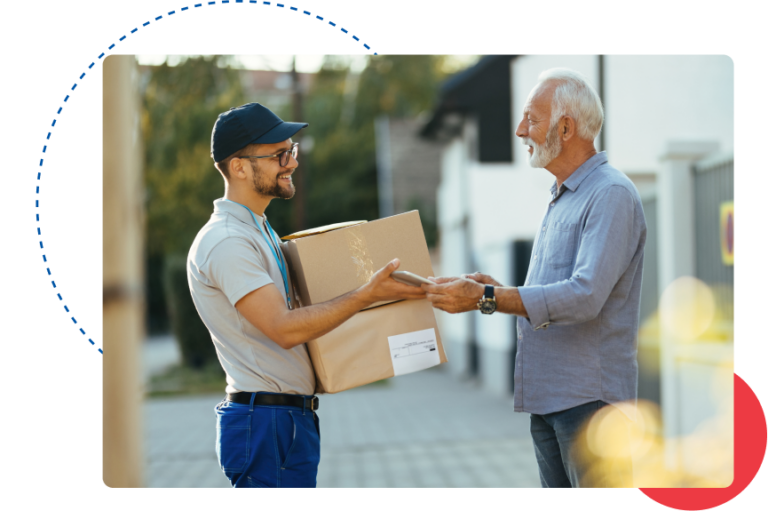
People have changed their way of receiving services as a result of on-demand services. A three- to five-day waiting period is no longer sufficient. Lunch or groceries can be ordered and delivered within an hour. Transportify on-demand delivery shows what happens when logistics puts speed before regular shipping schedules. Making these systems function properly requires more than hiring drivers or launching an app.
Infrastructure essentials
You can’t run on-demand delivery without the right foundation in place. Warehouses need to sit close to where customers actually live, not out in cheap industrial zones an hour away. Keeping popular items stocked nearby means drivers spend more time delivering and less time driving to pick things up. The digital side matters as much. Servers have to handle thousands of people ordering at once during lunch rush or weekend evenings. Apps crash when they’re not built to scale, and crashed apps mean lost orders. Payment processing needs encryption that keeps credit card data safe while moving money in seconds, not minutes.
Scaling capabilities
- Driver recruitment – Bringing on independent contractors during busy times costs less than keeping excess staff during slow periods
- Area expansion – Testing new neighbourhoods with limited service shows whether demand exists before investing heavily
- Order processing – Backend systems either handle volume surges smoothly, or they collapse and lose orders
- Merchant partnerships – Adding restaurants and stores quickly matters when competitors are doing the same thing
- Server capacity – Cloud hosting lets companies rent more computing power during spikes and scale back when things quiet down
User experience
Apps determine whether people use on-demand services or delete them after one bad experience. Nobody waits through slow loading screens when competitors offer the same service. Search features need to actually find what customers type in, which sounds obvious until you’ve used apps where searching for “pizza” returns sandwich shops. Tracking has to show real driver locations, not generic maps. Delivery estimates that say “30 minutes” but take 90 minutes create angry customers who won’t order again. Payment screens should accept credit cards, debit cards, Apple Pay, Google Pay, whatever people want to use. Reordering past purchases with one tap saves time for repeat customers.
Pricing models
Speed costs money, but prices still need to make sense or customers bail. Distance affects costs since drivers travelling farther burn more time and fuel. Peak hours cost more when everyone wants delivery at once, and drivers become scarce. Monthly subscriptions appeal to people who order multiple times weekly. Minimum purchase amounts prevent $3 orders that lose money on every delivery. Surge pricing multiplies base rates when demand explodes beyond available drivers. This approach brings more drivers online while warning customers about scarcity. Service fees cover app development, customer support, and other overhead separate from actual delivery work.
Performance tracking
- Driver productivity – Deliveries completed per hour indicate efficiency and highlight who needs additional training
- Completion rates – Orders fulfilled versus cancelled show system reliability under real conditions
- Support response – How fast customer service fixes problems directly impacts whether people complain publicly on social media
- Coverage maps – Visual displays of service boundaries show gaps worth expanding into
- Unit economics – Revenue and costs per delivery determine if the business model actually works
On-demand delivery frameworks succeed when infrastructure, scaling ability, user interfaces, pricing, and performance monitoring all function together. Weak spots in any area drag down the whole system. Markets reward platforms that get these elements right while punishing those that don’t adapt fast enough.
