

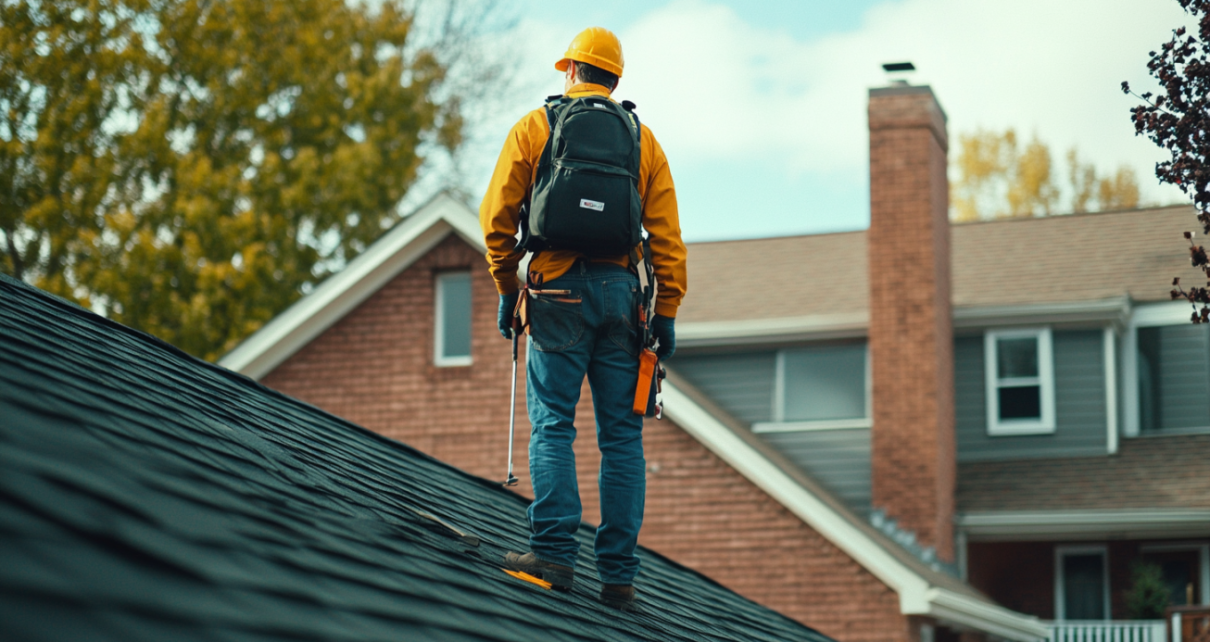
Minnesota roofs face harsh weather that can shorten material life and expose homes to water damage. Heavy snow, ice, and wind create stress that builds season after season. Over time, small failures can turn into leaks that affect insulation, drywall, and framing.
Planning ahead helps homeowners avoid emergency repairs and protect property value. Choosing the best contractor for roof replacement in Minnesota can also ensure proper ventilation, flashing, and workmanship that lasts. The sections below explain why replacement becomes necessary for many homes across the state.
Freeze-Thaw Cycles and Ice Dams
Temperature swings in Minnesota cause snow to melt, refreeze, and expand in places that strain roof materials. Ice dams can trap water at the roof edges and force moisture under shingles. This cycle can damage decking and create stains along ceilings and exterior walls.
How Ice Dams Form
Warm attic air can melt snow on the roof surface, then runoff refreezes near colder edges. The ice ridge blocks drainage and forces water to back up under shingles. This moisture can soak into insulation and reduce energy efficiency inside the home.
Why Damage Builds Over Time
Repeated water backup can weaken wood, rust nails, and damage underlayment seams. Shingles may curl or lose granules after seasons of moisture exposure. When these issues spread, replacement becomes more cost-effective than repeated patch repairs.
Hail, Wind, and Storm Debris Impacts
Hail can bruise shingles and break the protective surface that resists water intrusion. Wind can lift tabs, loosen flashing, and tear seal strips that keep shingles in place. Debris impacts can puncture roof areas near valleys, vents, and skylights.
Hidden damage can appear weeks later as slow leaks or soft decking spots. Insurance claims may require documentation and a professional inspection for an accurate scope. A thorough assessment helps determine when repair is no longer enough.
Aging Materials and Natural Wear
Every roof has a service life, and Minnesota’s weather conditions can shorten it through heavy seasonal stress. Asphalt shingles can lose granules and become brittle after years of UV exposure and cold temperatures. Sealants around penetrations can crack and allow water entry during rain events.
Roofing contractors in Minnesota can confirm when wear has crossed the line between routine repair and full replacement. A qualified crew can spot soft decking, failed flashing, and shingle damage that hides beneath the surface. Their inspection also helps homeowners compare scope, pricing, and warranty terms with confidence.
Ventilation and Moisture Problems
Poor attic ventilation can trap heat and moisture that degrade roofing layers over time. Condensation can form on cold surfaces and lead to mold, rot, and insulation breakdown. These conditions can also raise energy bills and reduce indoor comfort.
Signs of Ventilation Trouble
Ice buildup near eaves and uneven snow melt can point to warm attic air problems. Musty odors and damp insulation can signal persistent moisture inside the attic space. Rust on nails and staining on sheathing can confirm long-term condensation issues.
How Replacement Can Correct the System
A new roof allows contractors to upgrade ridge vents, soffit vents, and intake balance. Proper airflow helps keep roof temperatures stable and reduces moisture risk in winter. Improved ventilation supports longer material life and fewer future repairs.
Repairs Add Up, and Replacement Makes Sense
When repairs become frequent, costs can match replacement without delivering full reliability. Patchwork can miss hidden issues under shingles and underlayment layers. A replacement offers a fresh system that restores performance across the entire roof plane.
Homeowners also gain the chance to improve flashing details and upgrade underlayment protection. This work can reduce leak risk and support stronger warranties. Finding the right contractor for roof replacement in Minnesota can also provide clear documentation and a clean final walkthrough.
Minnesota roofs require replacement due to ice dams, storms, aging materials, and ventilation-related moisture damage. Early planning helps homeowners avoid costly interior repairs and stressful emergency calls. With the right inspection and quality installation, a new roof can protect the home for many years.


